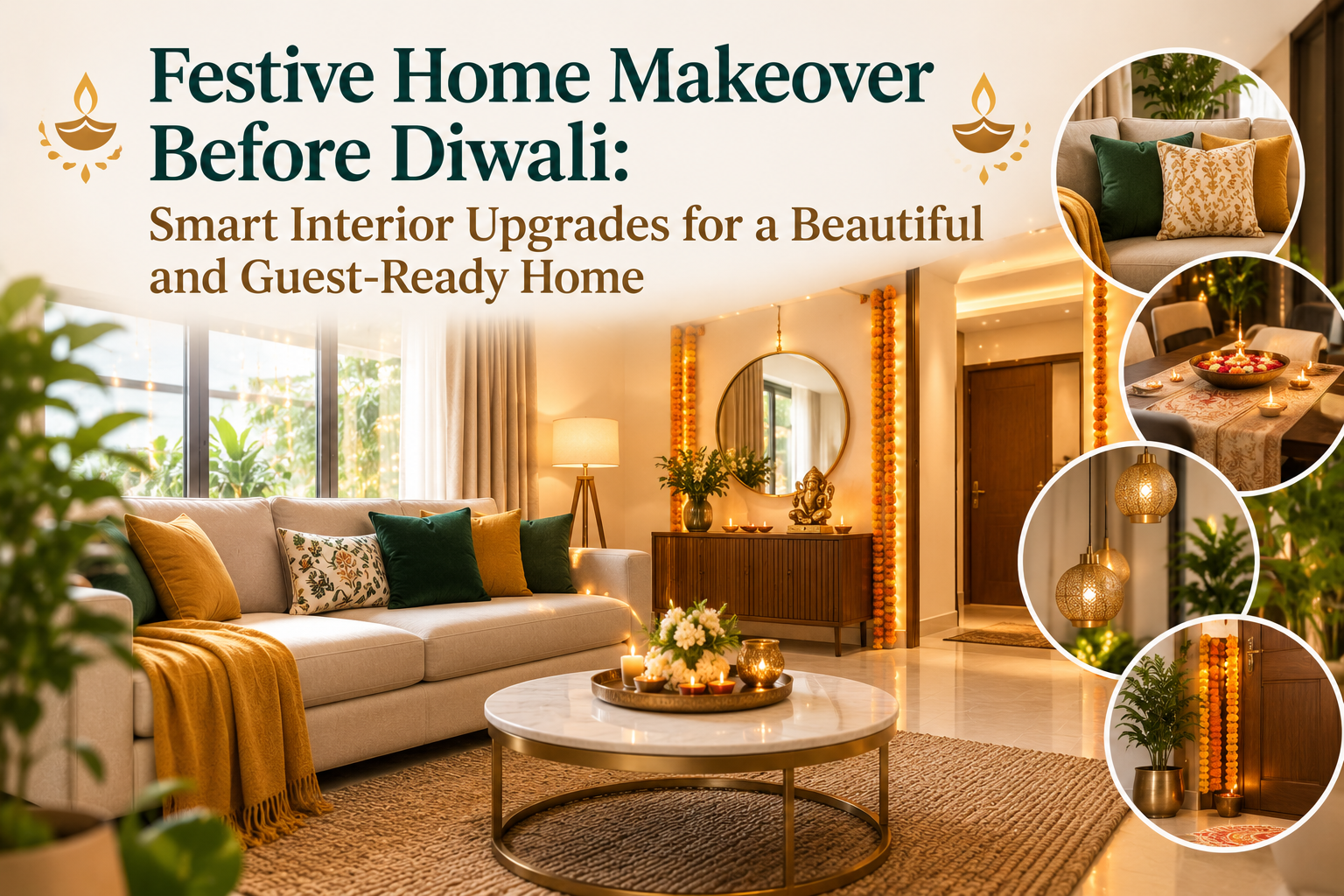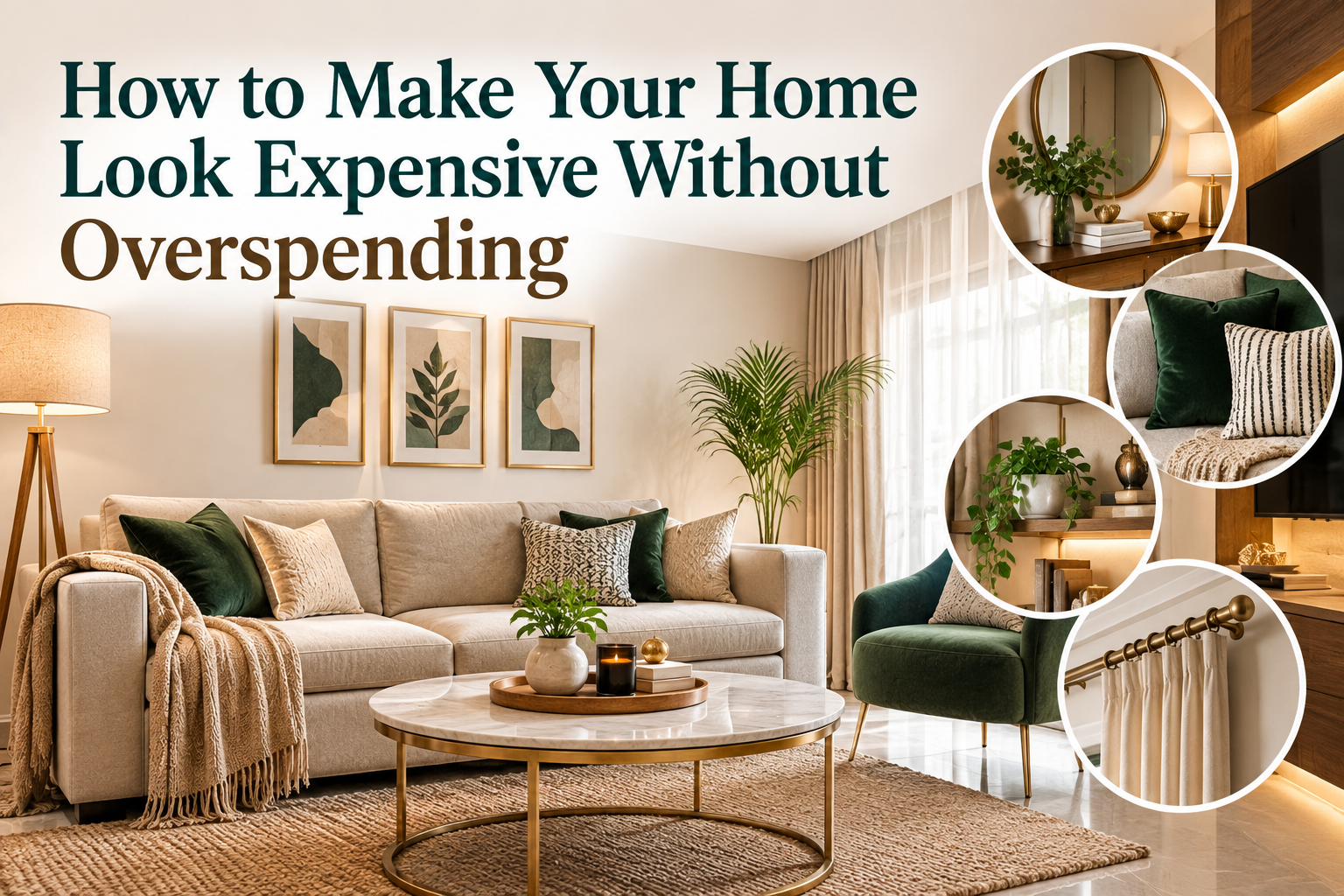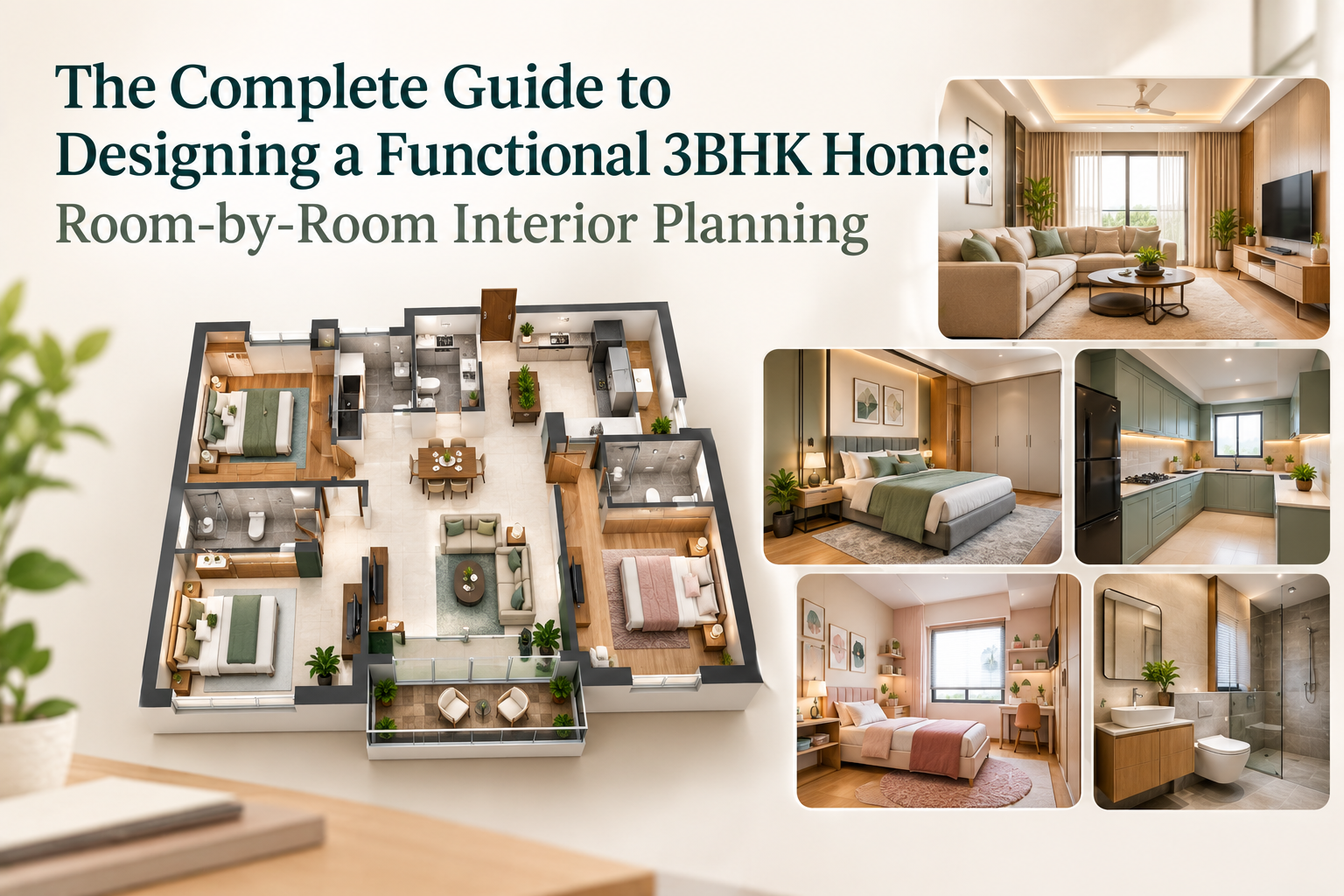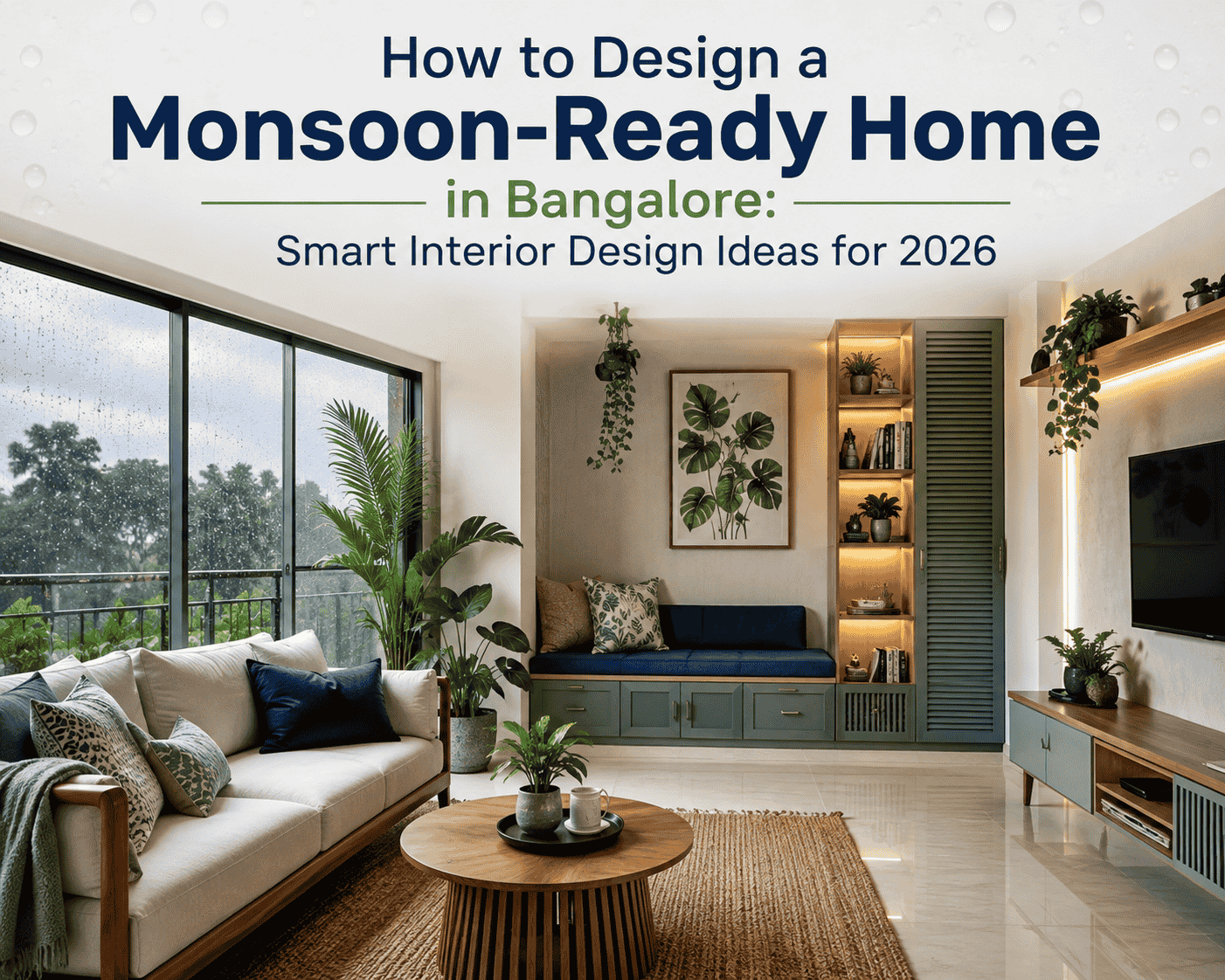

As November arrives, the atmosphere at home begins to change. The festive season brings family gatherings, celebrations, visitors and the desire to refresh familiar spaces. At the same time, cooler evenings make us appreciate interiors that feel warm, comfortable and inviting.
A thoughtfully designed home is not only about beautiful furniture or attractive colours. It is about creating spaces that support everyday living, offer comfort and reflect the personalities of the people who live in them.
Whether you are moving into a new apartment, renovating your existing home or simply looking for ways to refresh your interiors before the festive season, November is a wonderful time to rethink your home's design.
In this guide, we explore practical interior design ideas that can help you prepare your home for the cooler months and festive gatherings while maintaining functionality, comfort and timeless style.
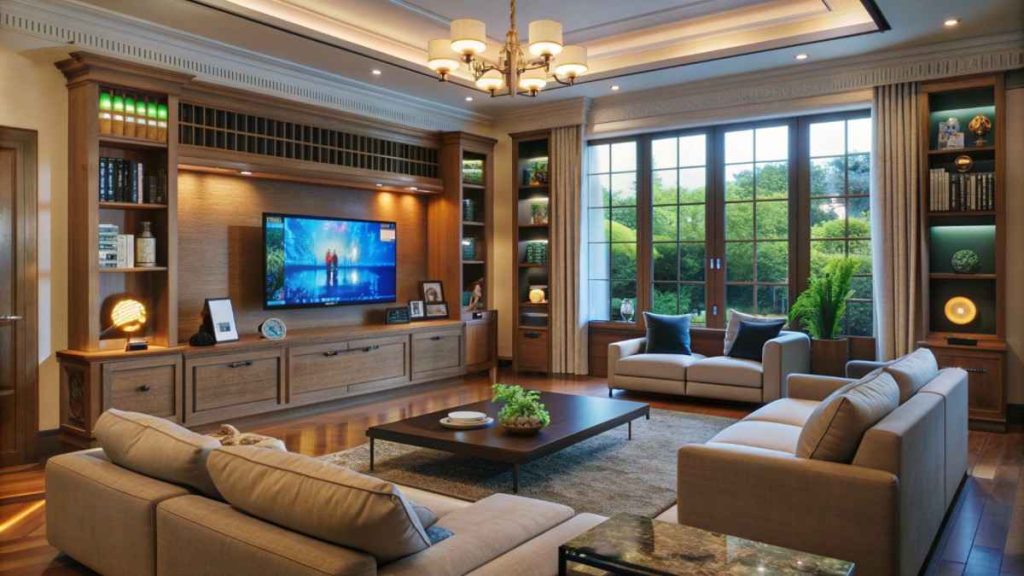
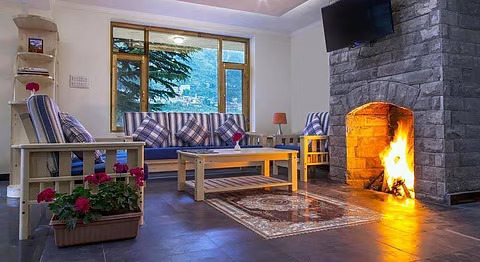
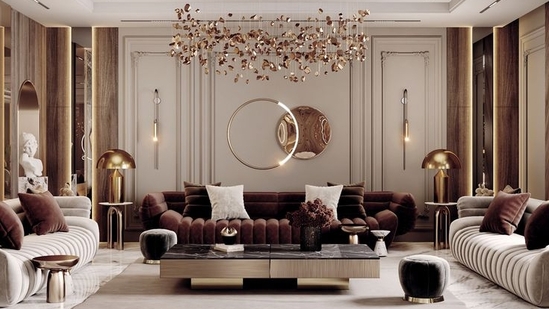
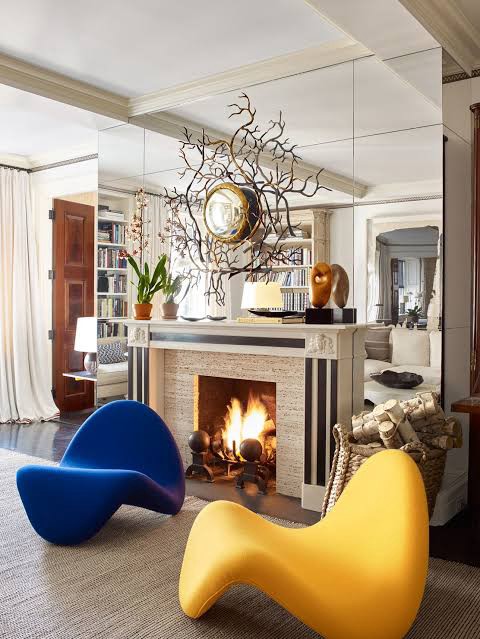
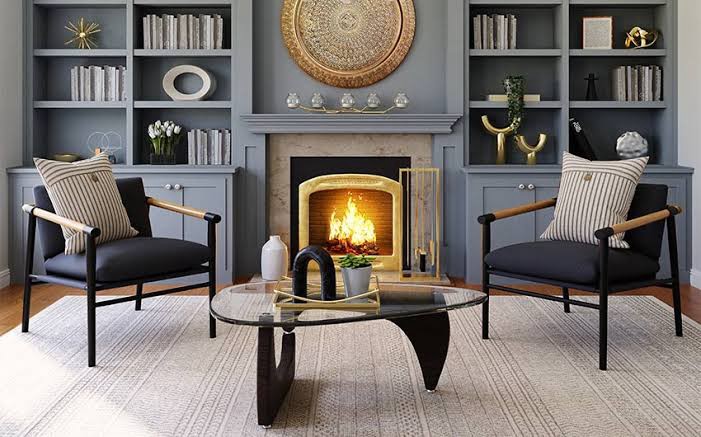
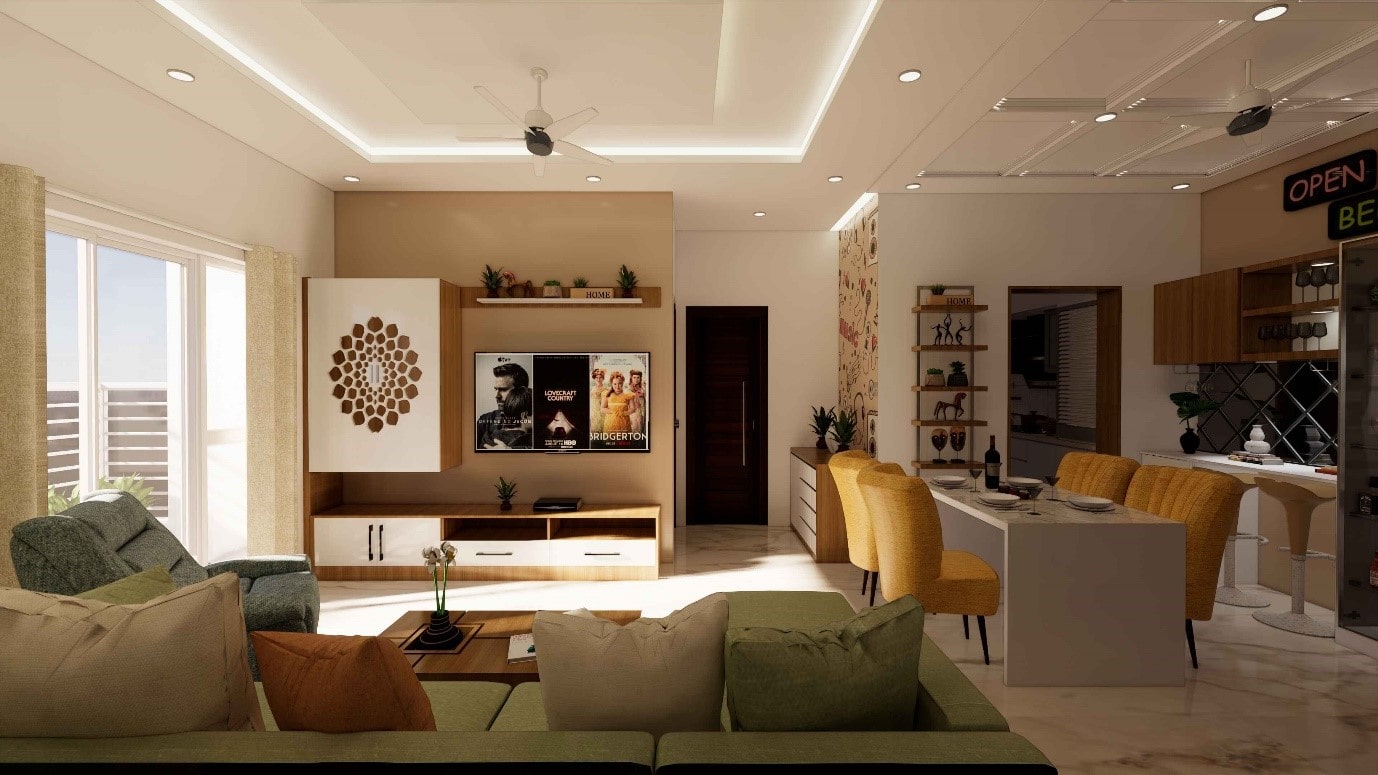
The living room is often the heart of the home. During the festive season, it becomes a place where family members gather, guests relax and conversations continue long after dinner.
A well-planned living room should balance aesthetics with comfort.
Choose a comfortable seating arrangement
Start by considering how your family uses the living room.
A spacious and organised seating arrangement can make even a compact living room feel more welcoming.
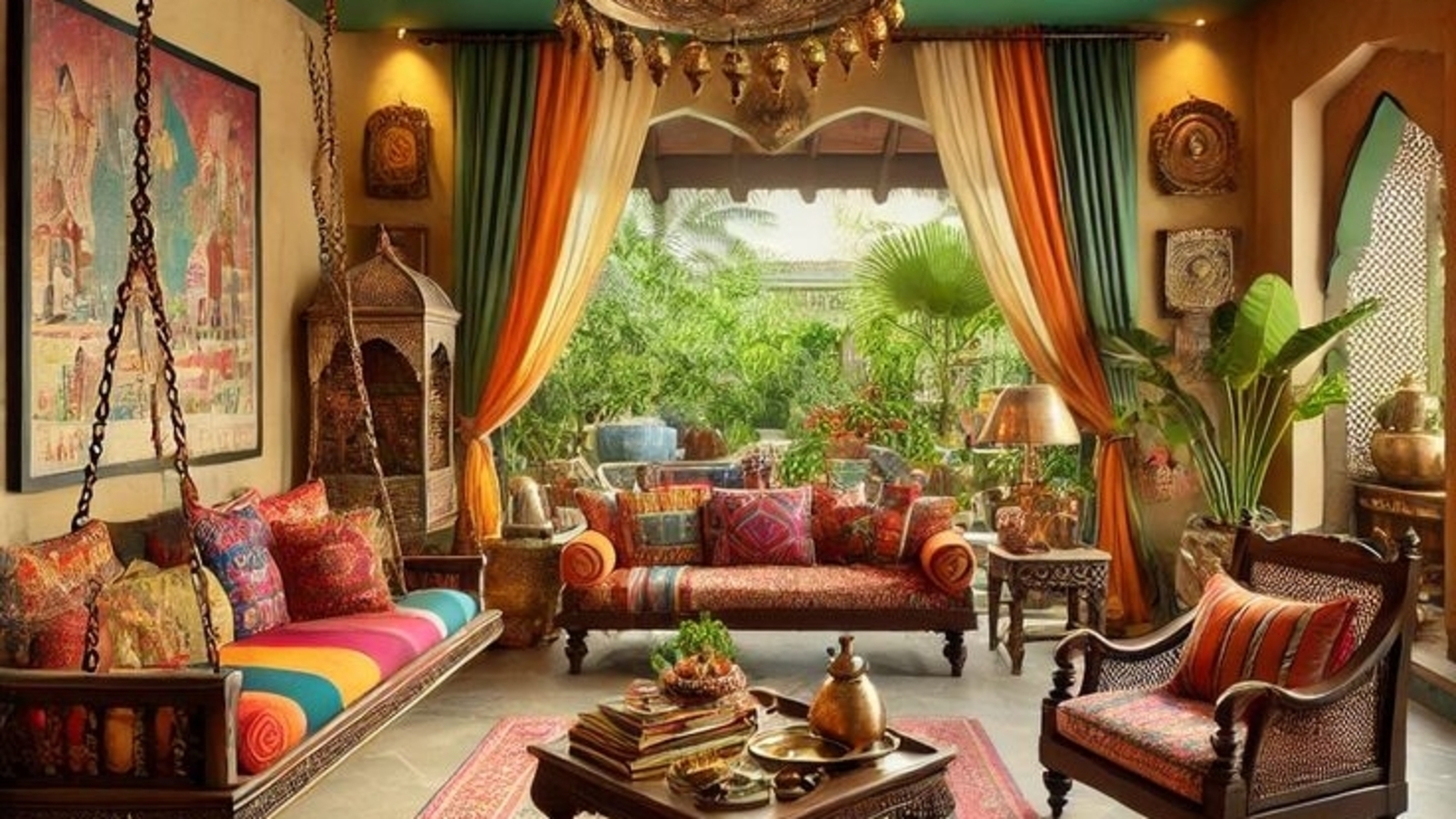
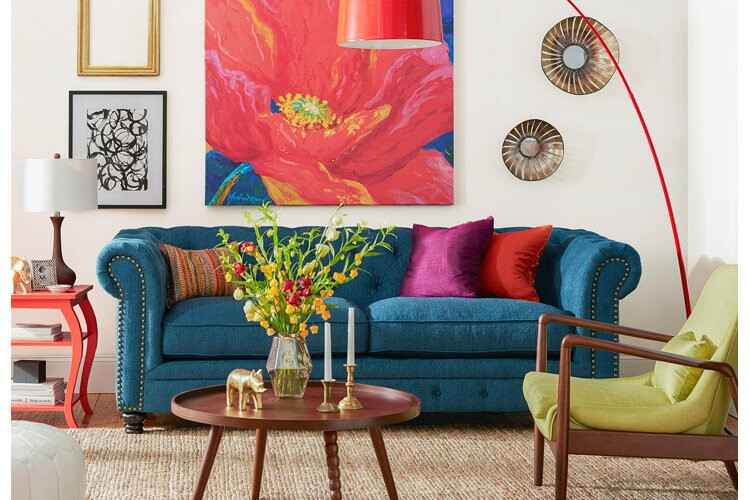
Introduce warm colours and textures
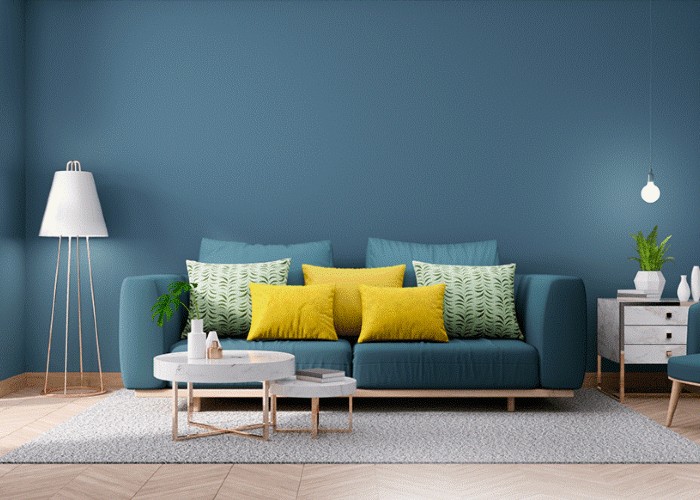
Colours influence the mood of a room. During cooler months, warm neutrals and earthy shades can create a comfortable atmosphere.
Consider incorporating:
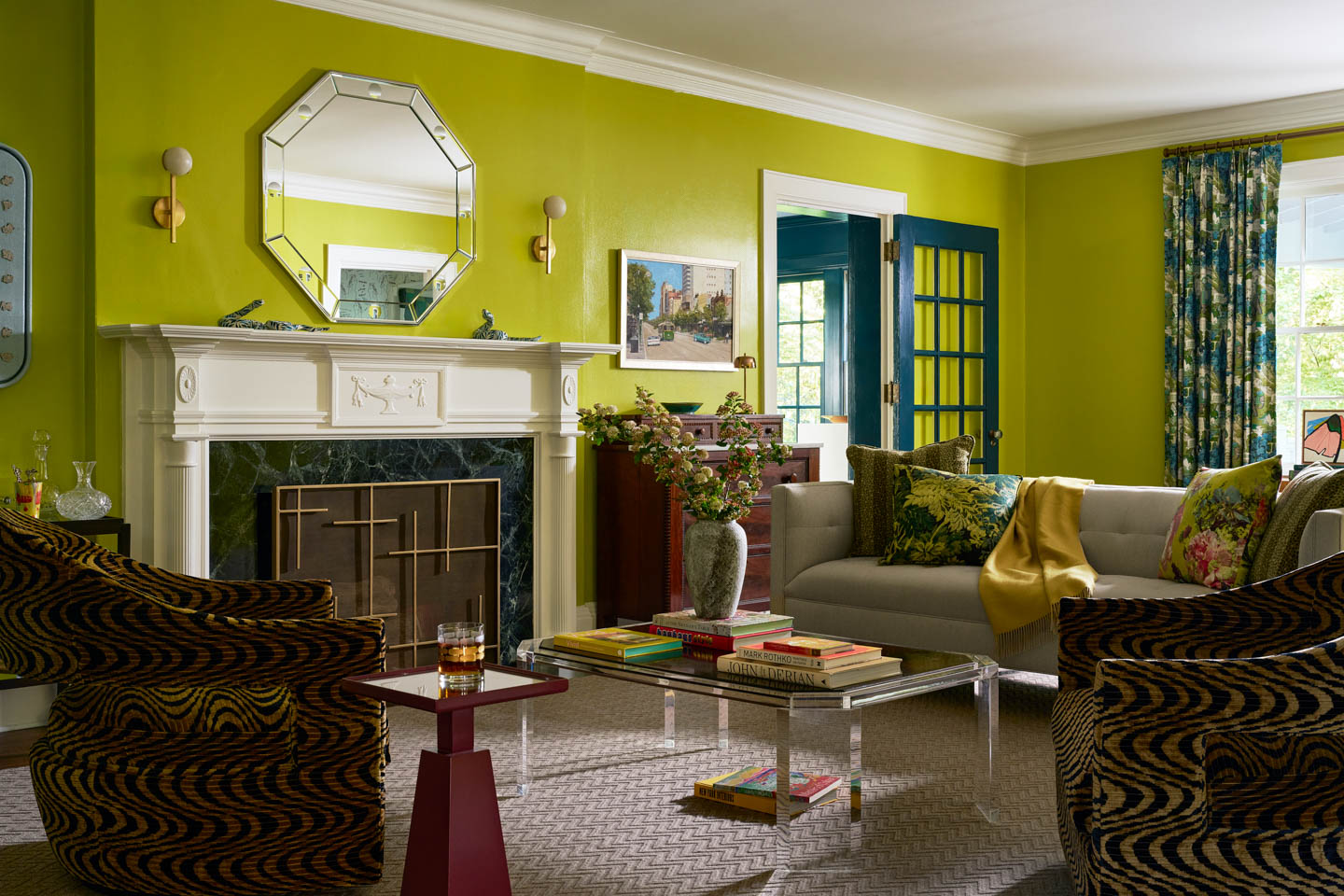
You can introduce these colours through cushions, rugs, curtains, artwork or accent furniture rather than changing the entire interior.
Add layers through soft furnishings
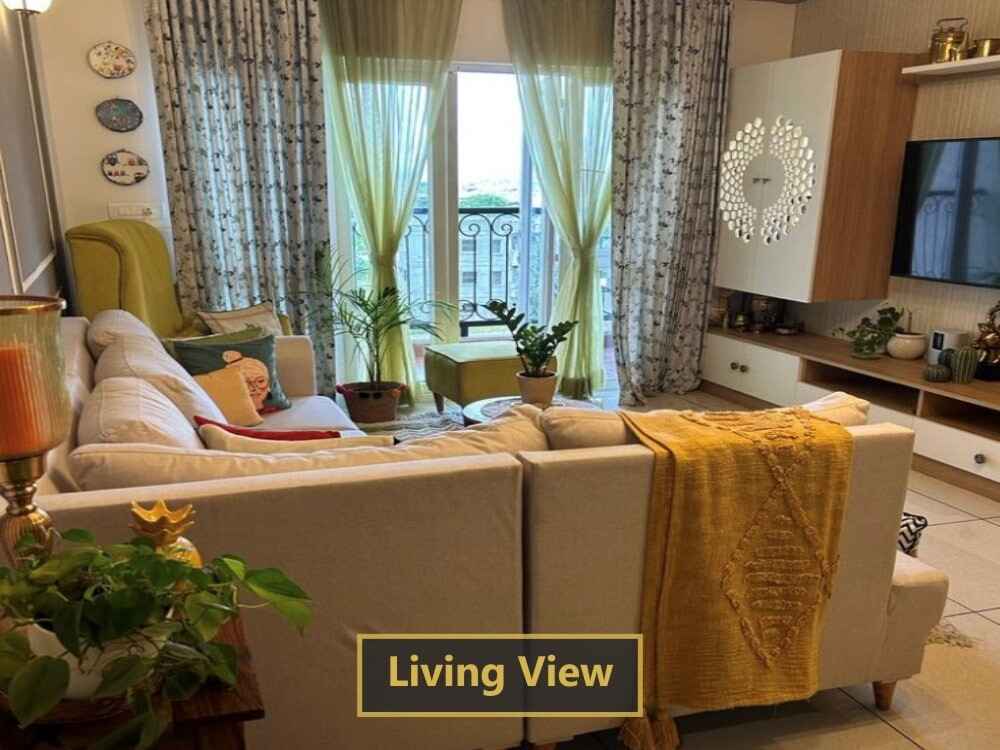
Textured cushions, comfortable throws and area rugs can make a living room feel more inviting.
Choose fabrics that complement your existing furniture and colour palette. A combination of different textures can add depth without making the space look cluttered.
Lighting plays an important role in how a home looks and feels.
A room with the right lighting can appear more spacious, comfortable and visually balanced. During November evenings and festive gatherings, lighting becomes particularly important.
Understand the three layers of lighting
Ambient lighting: Provides general illumination throughout the room. Ceiling lights, recessed lights and suitable false ceiling lighting can serve this purpose.
Task lighting: Helps with specific activities such as reading, cooking or working. Table lamps, pendant lights and under-cabinet kitchen lighting are useful examples.
Accent lighting: Highlights architectural details, artwork, shelves or decorative elements.
Combining these layers creates a more flexible lighting environment.
Choose warm lighting for relaxation
Warm-white lighting can create a soft and comfortable atmosphere in living rooms and bedrooms.
However, the lighting temperature should also suit the activity. Kitchens, study areas and workspaces may benefit from lighting that offers better visibility and colour clarity.
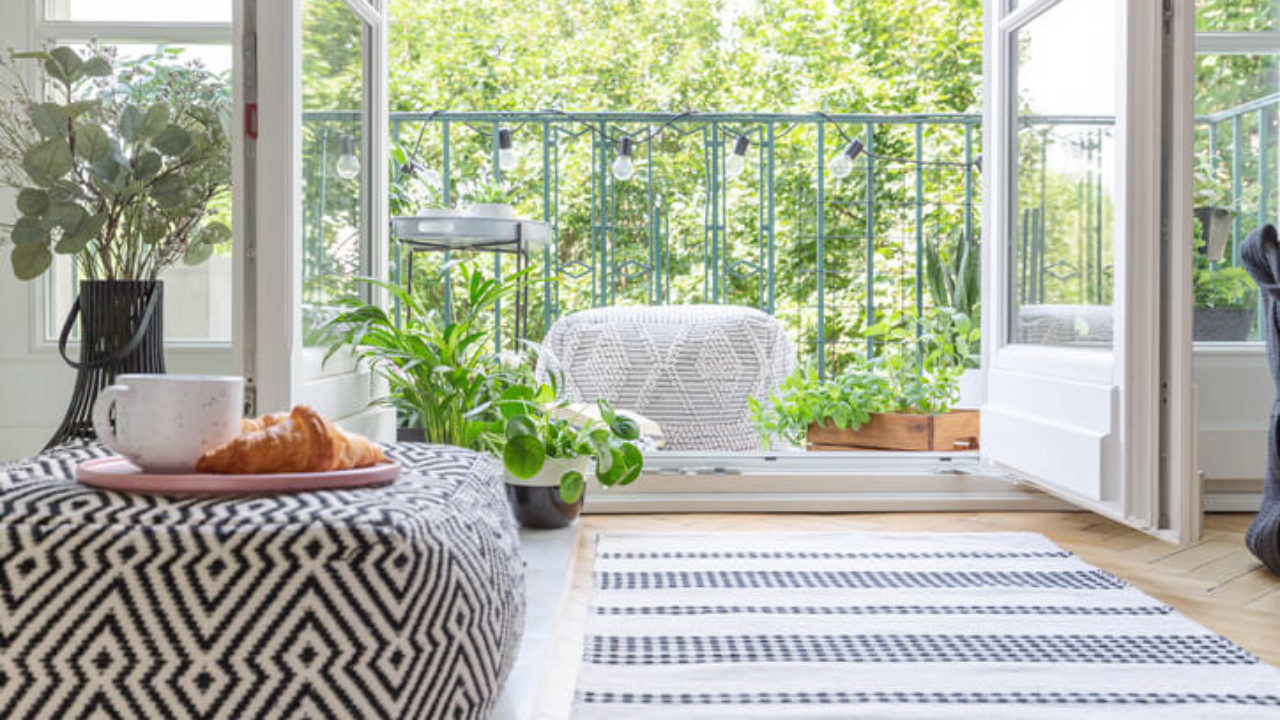
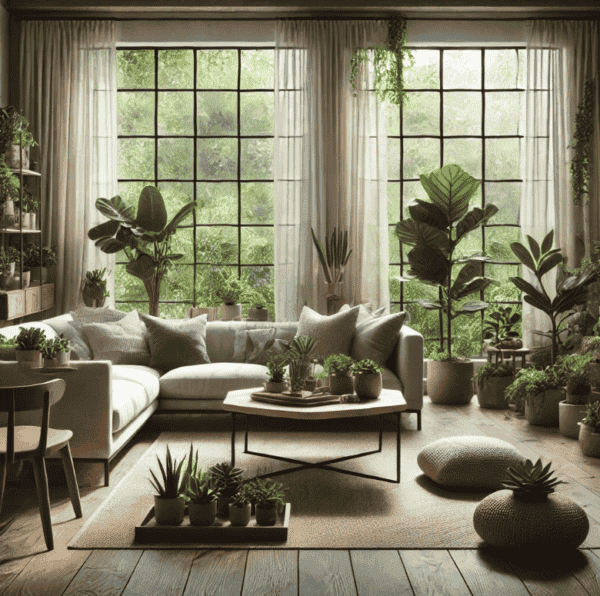
Make the most of natural light
Natural light can improve the appearance of your interiors during the day.
Consider:
A good lighting plan should work throughout the day, not only during festive evenings.
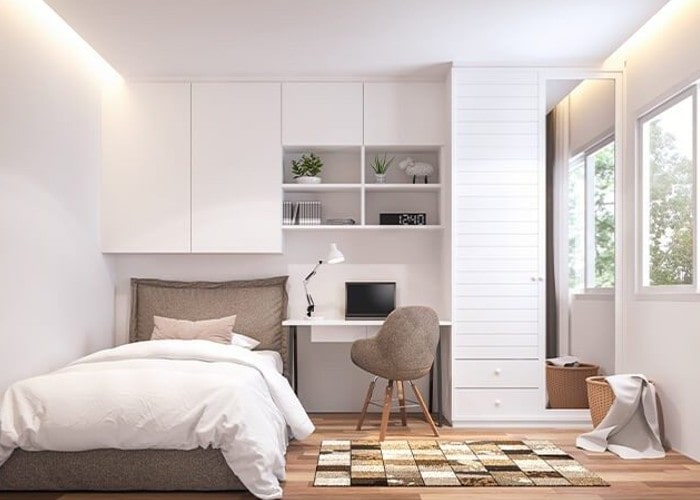
The bedroom should be a peaceful retreat from the busy routines of daily life.
As the weather becomes cooler, comfort and organisation become especially important.
Choose a calming colour palette
Soft neutral colours, muted greens, warm whites and gentle earthy shades can create a relaxing bedroom environment.
Avoid using too many contrasting colours in a small bedroom. Instead, introduce visual interest through textures, headboard designs and carefully selected décor.
Plan practical bedside storage
Bedside tables help keep everyday essentials within easy reach.
Depending on the room's layout, you may consider:
A well-organised bedroom can feel more spacious and easier to maintain.
Make wardrobe planning a priority
A wardrobe should be designed around the user's storage needs.
Before planning the wardrobe, consider:
Thoughtful wardrobe planning can help reduce clutter and make everyday routines more convenient.
The kitchen often becomes one of the busiest areas of the home during November and December.
From preparing festive meals to serving guests, a functional kitchen can make daily activities more comfortable.
Focus on an efficient kitchen layout
A good kitchen layout should support easy movement between preparation, cooking and cleaning areas.
The placement of the refrigerator, sink and cooking zone should be considered carefully to avoid unnecessary movement.
The layout should also account for the available space, household size and cooking habits.
Choose practical storage solutions
A well-organised kitchen helps keep countertops clear and makes cooking easier.
Useful storage ideas include:
Storage should be planned according to what you actually use, rather than simply adding more cabinets.
Select materials with maintenance in mind
Kitchen materials should be chosen based on durability, cleaning requirements and daily use.
Consider the following before selecting finishes:
The right material choices can help create a kitchen that remains practical and visually appealing.
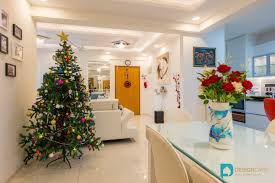
Festive décor does not have to mean filling every corner with decorations.
A few thoughtful additions can create a celebratory atmosphere while allowing your interior design to remain the main focus.
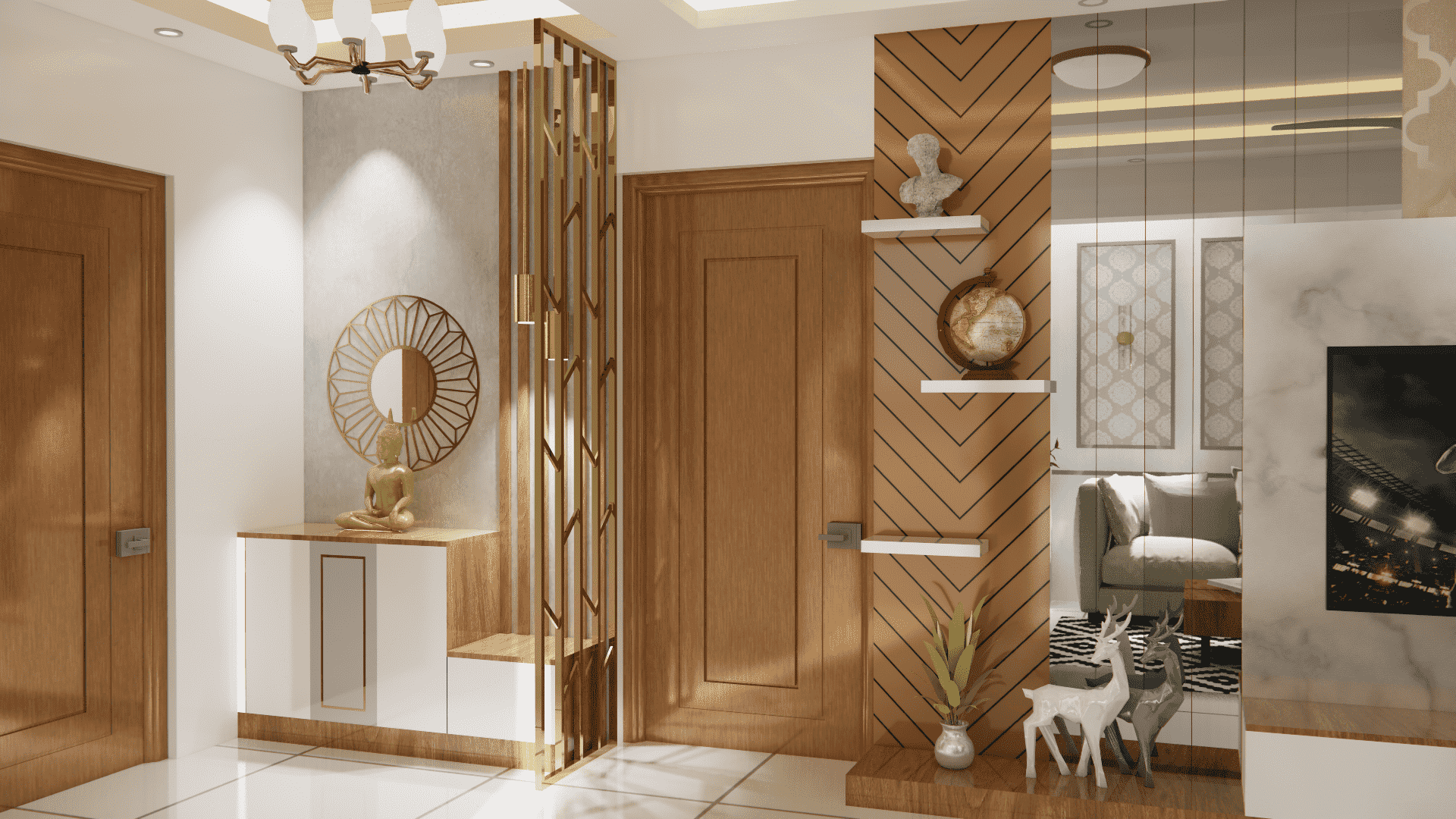
Decorate the entrance
The entrance creates the first impression of your home.
You can refresh this area with:
Keep the entrance organised and ensure that the pathway remains clear.
Create a festive focal point
Instead of decorating every wall, choose one area to highlight.
This could be:
A focused arrangement looks more intentional and is easier to maintain.
Use décor that complements your interiors
Festive accessories should work with the existing colour palette and furniture.
For example, brass accents, natural textures, flowers and soft lighting can complement many contemporary Indian interiors.
The goal is to enhance your home's personality rather than completely change its design.
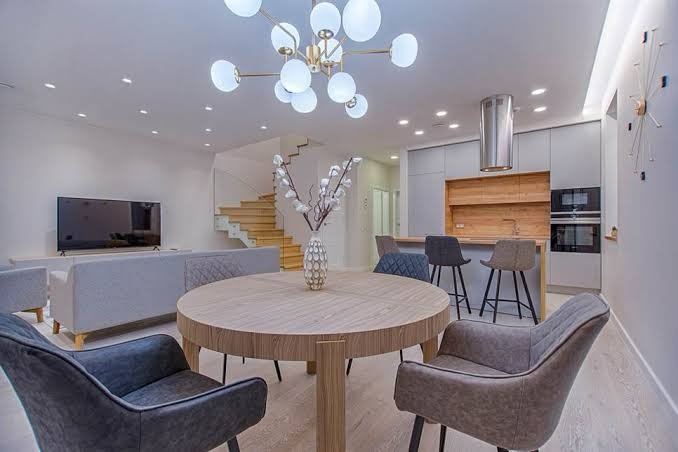
The dining area becomes an important gathering space during festive occasions.
A comfortable dining arrangement should allow everyone to sit, move and interact easily.
Select furniture according to the space
The size of the dining table should suit the room.
For compact apartments, a round table or a carefully planned rectangular table may help use the available space efficiently.
For larger homes, a spacious dining table can become a central feature.
Add functional storage
A dining console or sideboard can provide space for:
This helps keep the dining table free for meals and gatherings.
Pay attention to lighting
A pendant light above the dining table can create a visual focal point.
The fixture should be selected according to the table size, ceiling height and overall design theme.
Good lighting also helps make the dining area comfortable during evening meals.
False ceilings can contribute to the overall appearance and lighting design of a home.
They may also help conceal selected electrical wiring and ceiling services when properly planned.
Choose a design that suits the room
A false ceiling should complement the room's size and architectural style.
For smaller rooms, simple ceiling designs may help maintain a clean and uncluttered appearance.
Larger spaces can accommodate more detailed designs, depending on the ceiling height and lighting requirements.
Integrate lighting thoughtfully
False ceilings can be planned to accommodate different lighting elements, such as:
The placement of these lights should be decided during the design stage.
Consider ceiling height and maintenance
Before installing a false ceiling, assess the existing ceiling height and the services that need to be concealed.
The design should allow appropriate access for maintenance wherever required.
A practical ceiling design is one that looks good while serving the needs of the space.
November can be an ideal time to identify areas of your home that are not being used efficiently.
Sometimes, a room does not need more furniture. It needs better planning.
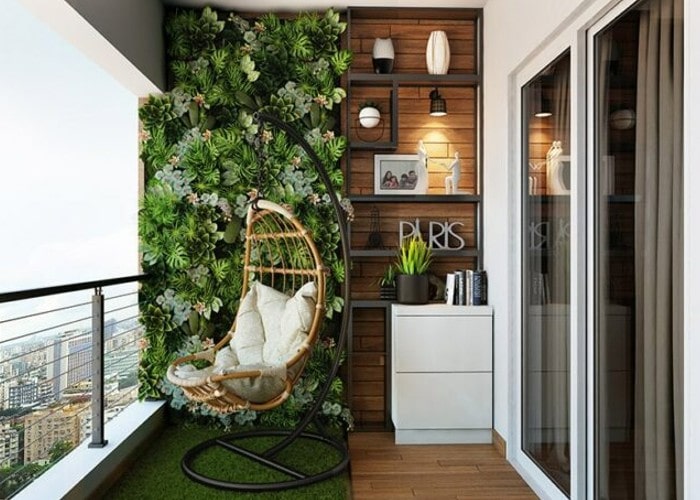
Identify unused spaces
Look for areas that could serve a useful purpose.
Examples include:
Even a small change can improve how a space functions.
Avoid unnecessary furniture
Too much furniture can make a room feel crowded.
Before purchasing a new piece, consider whether it serves a practical purpose and whether there is enough room for comfortable movement.
Plan storage vertically
Wall-mounted shelves and tall storage units can help make better use of available space.
However, vertical storage should be balanced carefully so that the room does not feel visually heavy.
Interior materials influence the appearance, maintenance and long-term usability of your home.
Before selecting materials, consider your household's daily routines.
For example:
Material selection should be based on practical requirements as well as design preferences.
A beautiful interior is most successful when it continues to work well after the initial excitement of completion.
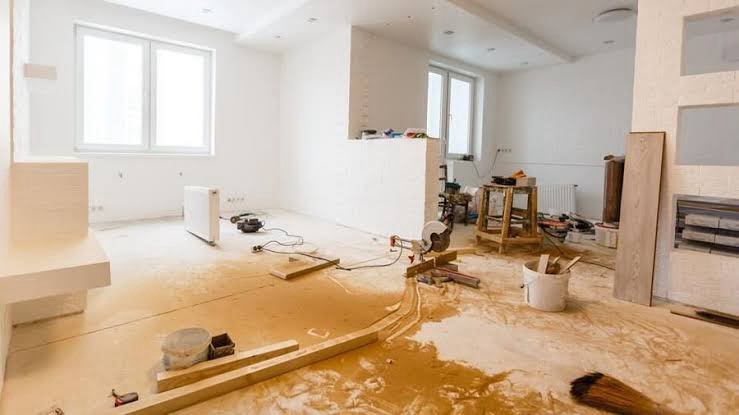
If you are considering a home renovation before the end of the year, early planning can help make the process more organised.
Interior projects often involve several stages, including design discussions, layout planning, material selection, budgeting and execution.
Define your requirements
Begin by identifying what you want to improve.
You may want to:
A clear list of priorities helps guide the design process.
Establish a realistic budget
Your budget should account for materials, furniture, finishes, installation and other project requirements.
Discuss the scope of work in detail before making final decisions.
Plan the project timeline
The time required for an interior project depends on its size, complexity, material availability and execution requirements.
Avoid rushing important decisions simply to meet a festive deadline.
A well-planned project is more likely to deliver a result that meets your expectations.
Interior design is not simply about following trends.
It is about understanding how people live and creating spaces that support their routines, preferences and comfort.
A well-designed home brings together:
When these elements work together, the home becomes more than a visually attractive space. It becomes a place that feels natural to live in.
November is a wonderful opportunity to prepare your home for the festive season and the cooler months ahead.
From creating a welcoming living room and organising your kitchen to improving bedroom storage and planning thoughtful lighting, small design decisions can make a meaningful difference to everyday living.
Whether you are refreshing a single room or planning a complete home interior, focus on comfort, functionality and a design that reflects your lifestyle.
A home should not only look beautiful during celebrations. It should continue to feel comfortable, organised and welcoming throughout the year.
At Sampada Creations, thoughtful interior planning brings together design, functionality and individual preferences to create spaces that feel personal and practical.
Your home deserves a design that feels like you.
1. What are the best winter home interior design ideas?
Some practical ideas include using warm lighting, adding soft furnishings, organising storage, choosing comfortable seating and maintaining a balanced colour palette. The best choices depend on your home's layout and personal preferences.
2. How can I make my living room look festive without spending too much?
Focus on a few key areas, such as the entrance, console table or dining space. Add flowers, cushions, decorative accessories and suitable lighting instead of changing the entire room.
3. Which colours are suitable for winter home interiors?
Warm neutrals, earthy shades, muted greens, terracotta and soft mustard accents can create a comfortable atmosphere. Choose colours that complement your existing furniture and lighting.
4. How can I make a small apartment feel more spacious?
Use practical furniture, maintain clear pathways, introduce suitable storage and avoid overcrowding. Lighter colours and thoughtful lighting may also help create a more open appearance.
5. Is a false ceiling suitable for every room?
False ceilings can be used in many rooms, but their suitability depends on ceiling height, room size, existing services and design requirements. A professional assessment can help determine the appropriate solution.
6. What should I consider before designing a modular kitchen?
Consider your cooking habits, available space, storage requirements, appliance placement, ventilation, materials and maintenance needs. A functional layout should be prioritised over appearance alone.
7. When should I start planning my home interiors?
It is helpful to begin planning as early as possible, particularly for larger renovation projects. Design development, material selection and execution all require time and coordination.
8. How do I choose the right interior design style for my home?
Start with your lifestyle, preferences and practical requirements. Collect inspiration, identify colours and materials you like, and consider how the design will work with your existing space.
Sampada Creations provides customised interior design solutions for residential spaces in Whitefield, Bengaluru, with an emphasis on combining functionality, comfort and personal style.
Website: https://www.sampadacreations.com/
Disclaimer: This article is intended for general informational purposes. Interior design recommendations may vary depending on the property, layout, materials and individual requirements. Consult qualified professionals before undertaking structural, electrical or other specialised renovation work.