Sampada Creations is one of the Best Interior Designers in Whitefield, Bangalore. We understand what the clients need, and deliver interior solutions under deadline at affordable cost with the help of dedicated team. We deliver customized work to our clients.
How Colors Influence Mood and Behaviors in Interior Design
Introduction: Color plays a crucial role in interior design, not just for aesthetics but also for influencing the mood and behaviors of individuals within a space. The relationship between color psychology and interior design is a fascinating interplay that can significantly impact the overall atmosphere of a room. Understanding the psychological effects of colors can guide interior designers in creating spaces that evoke desired emotions and behaviors.
Color Psychology: Color psychology is the study of how colors affect human emotions, mood, and behavior. Different colors can evoke various feelings and responses, making them a powerful tool in interior design. Here's a brief overview of how some colors are commonly associated with specific emotions:
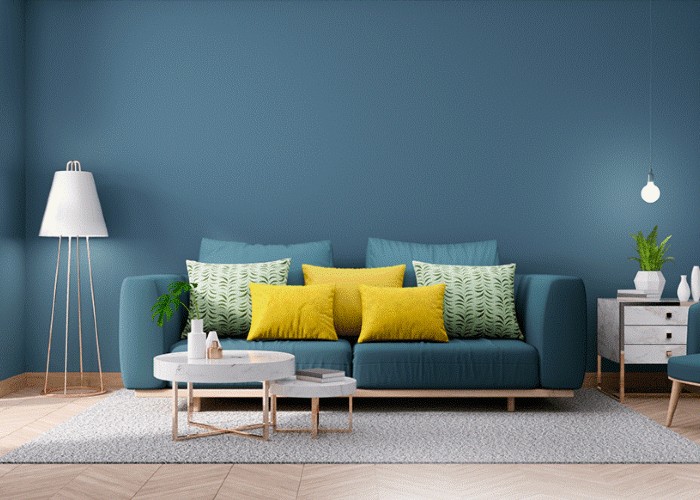
Blue: Known for its calming and serene effects, blue is often used in bedrooms and bathrooms to create a sense of tranquility and relaxation.
Red: A high-energy color, red is associated with passion, warmth, and excitement. It can stimulate conversation and increase appetite, making it suitable for dining areas.
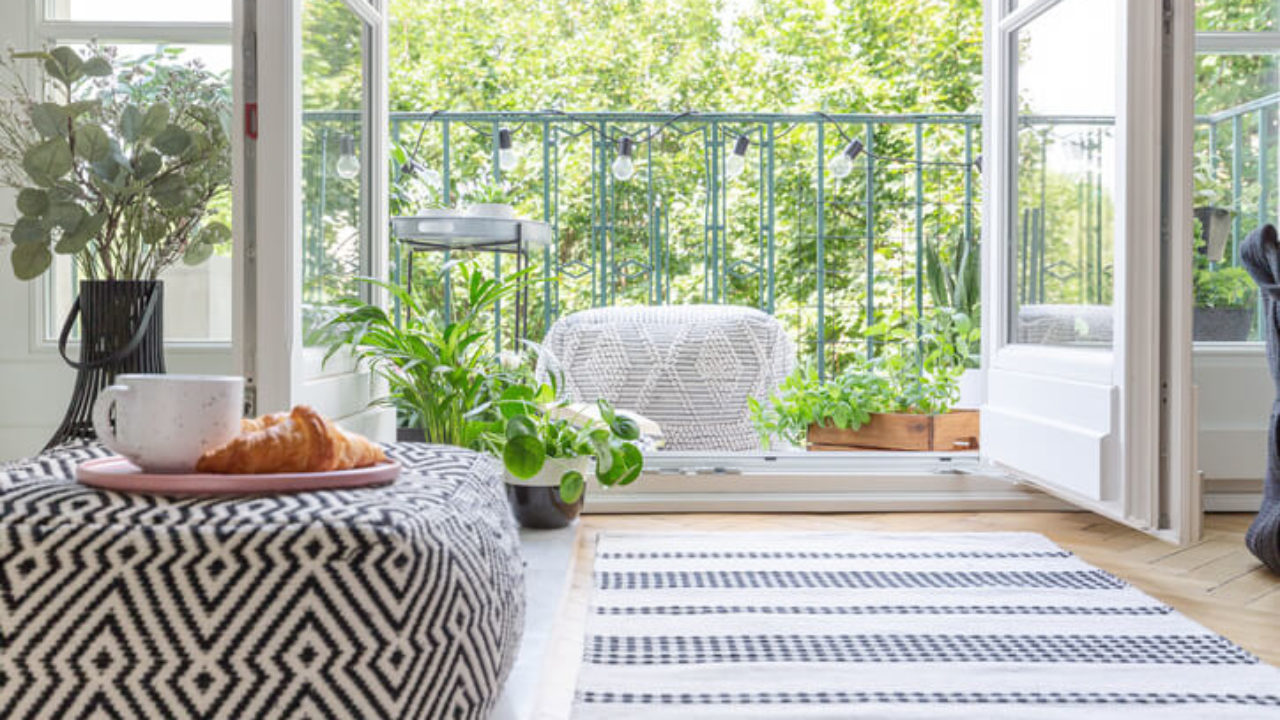
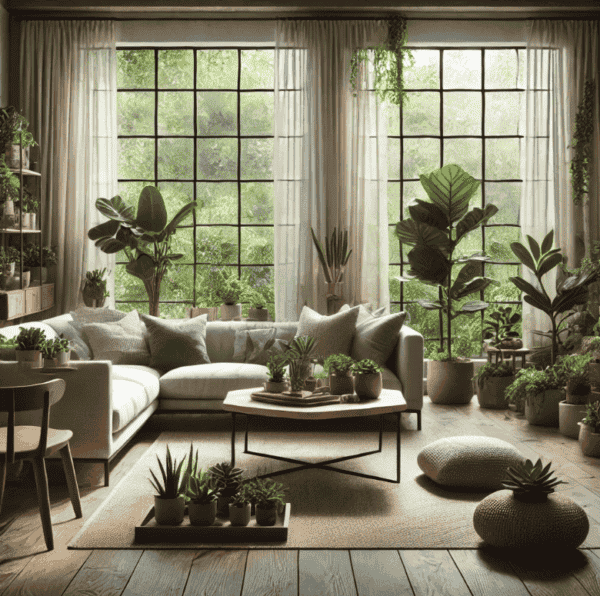
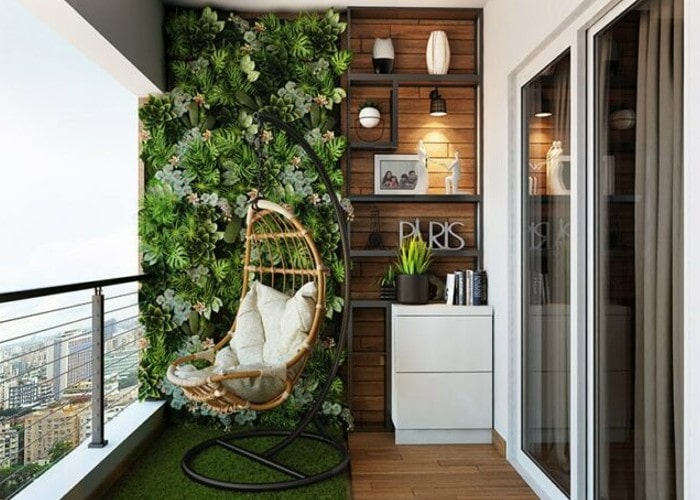
Green: Symbolizing nature and freshness, green promotes a sense of harmony and balance. It's commonly used in spaces where relaxation and concentration are essential.
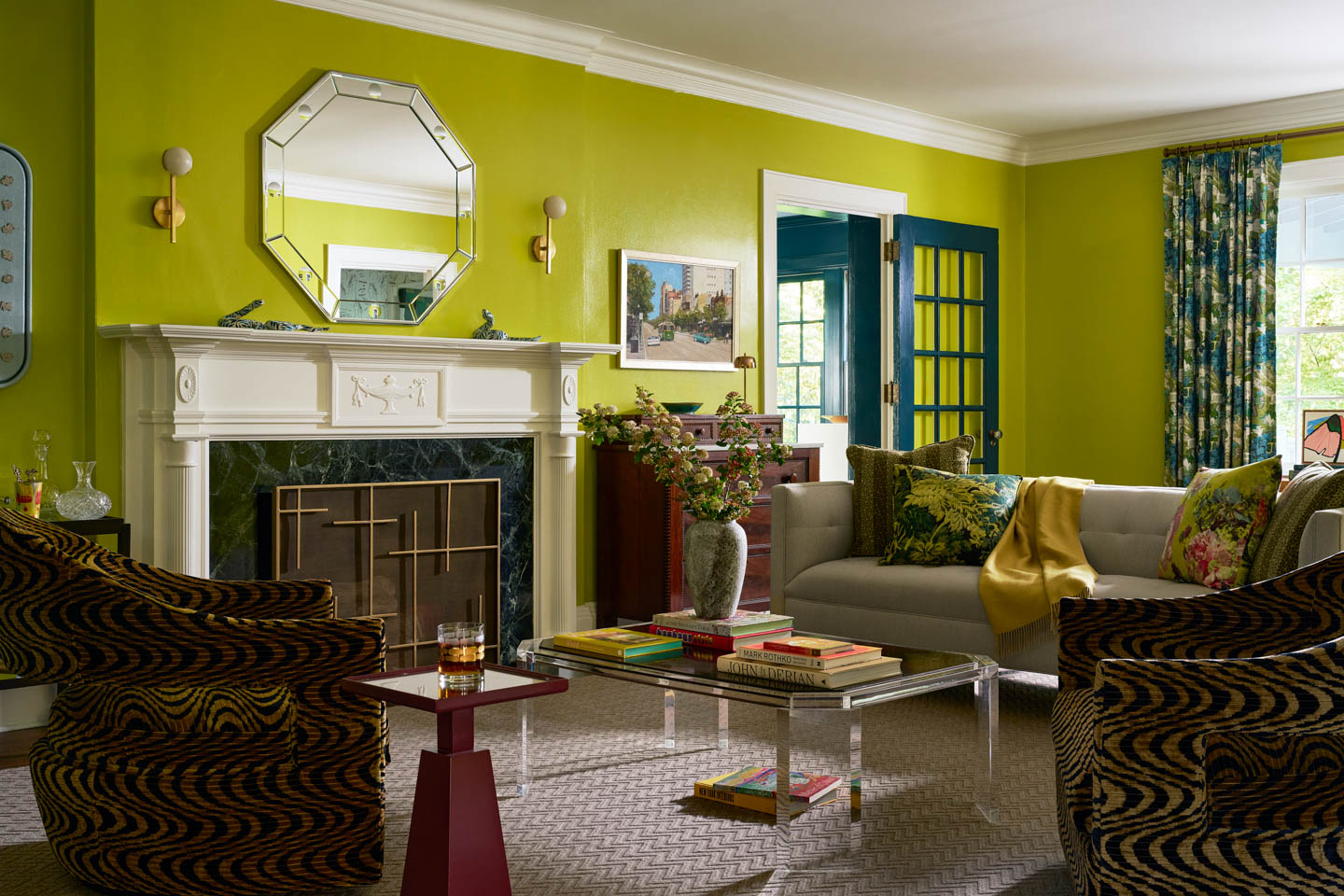
Yellow: An energetic and uplifting color, yellow can evoke feelings of happiness and positivity. It's often used in kitchens and living spaces to create a cheerful atmosphere.
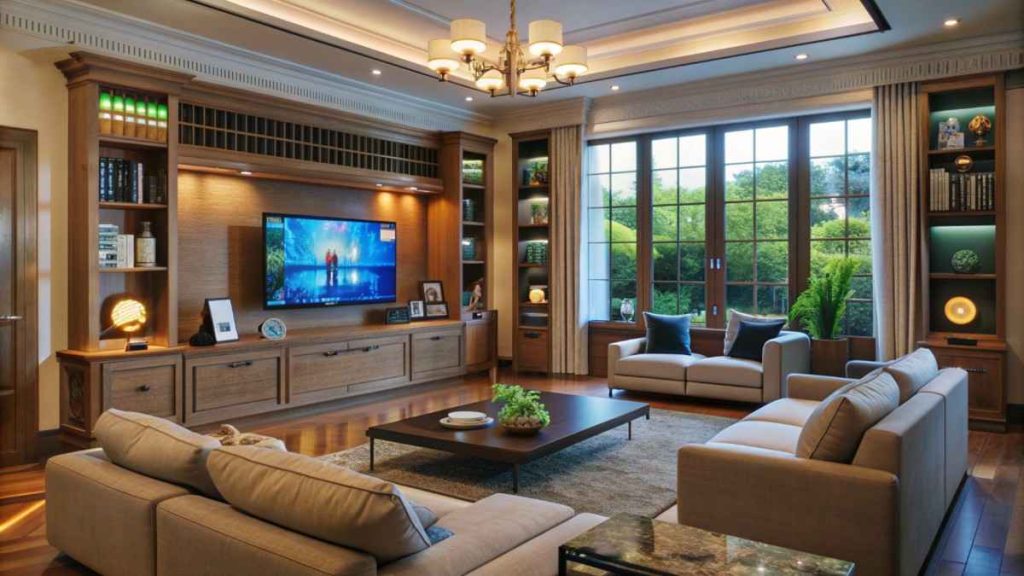
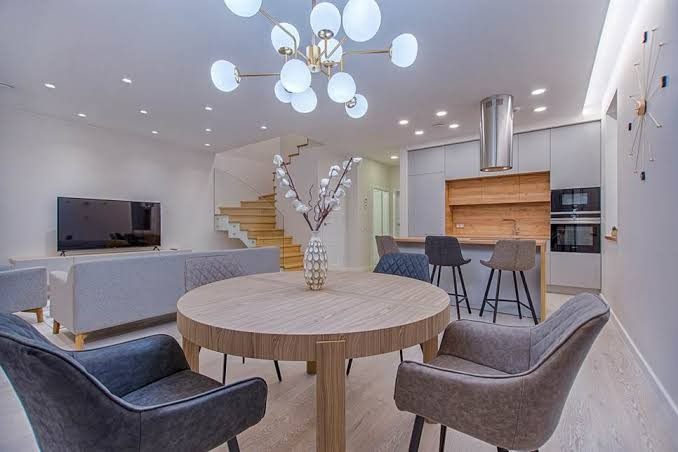
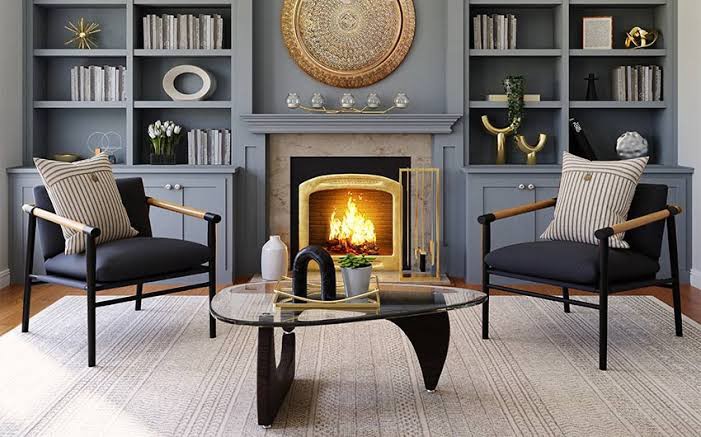
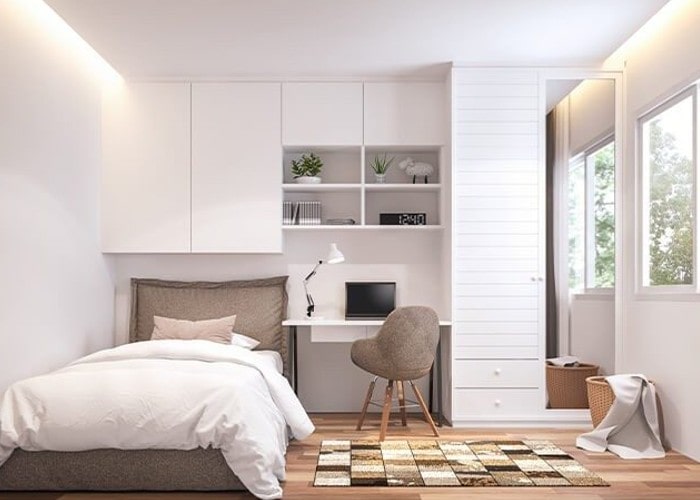
Gray: Gray is a neutral color that can evoke a sense of sophistication and calm. It's versatile and can be used as a backdrop for other more vibrant colors.
Purple: Associated with luxury and creativity, purple can add a touch of elegance to a space. Lighter shades promote relaxation, while deeper tones can convey a sense of opulence.
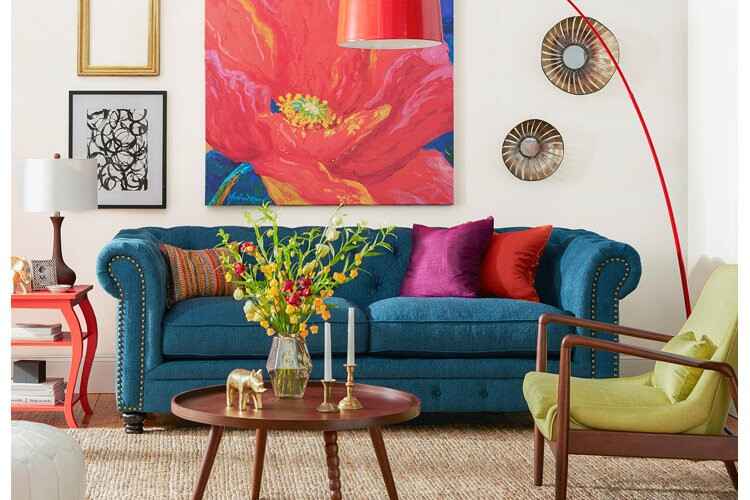
Color Scheme for Interior Design: Choosing the right color scheme is crucial in achieving the desired mood and ambiance within a space. Here are some popular color schemes and their effects:
Monochromatic: Using different shades of a single color creates a harmonious and soothing environment. It's an excellent choice for spaces where a sense of unity and simplicity is desired.
Analogous: This scheme involves using colors that are next to each other on the color wheel. Analogous schemes create a cohesive and comfortable look, ideal for creating a unified feel in a room.
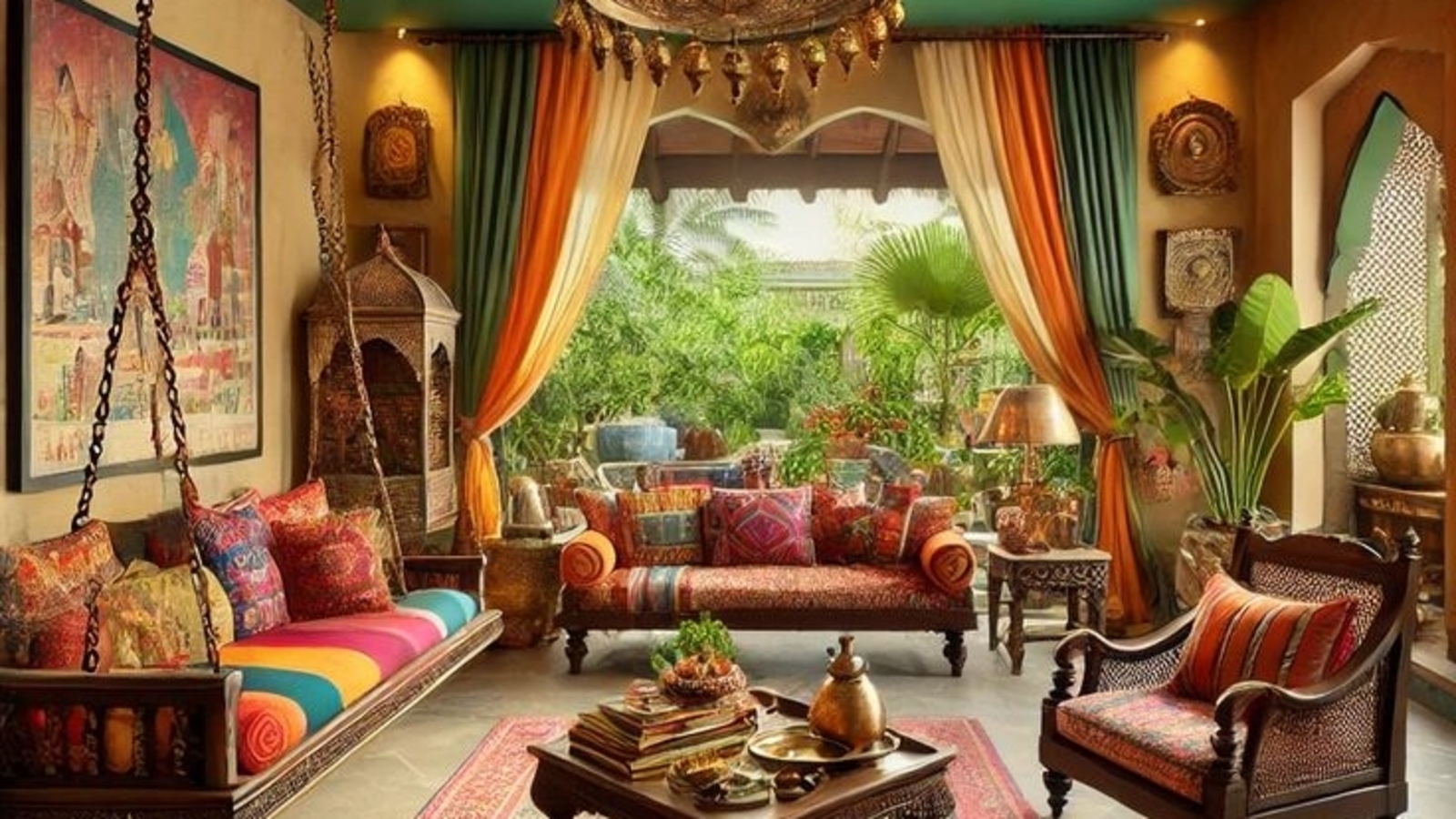
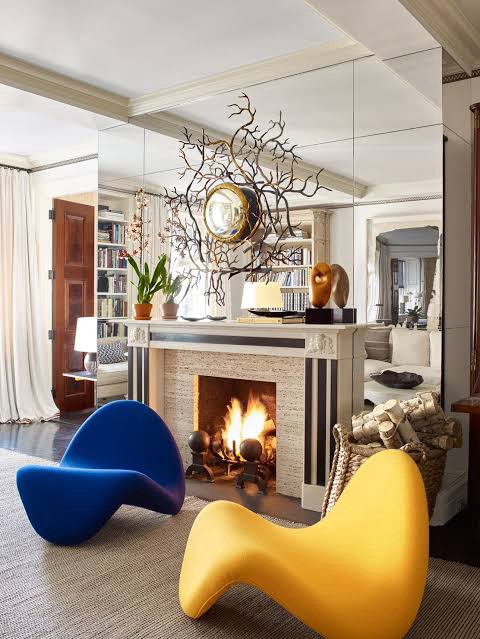
Complementary: Colors opposite each other on the color wheel, such as red and green or blue and orange, create a vibrant and dynamic contrast. This scheme can add energy and excitement to a space.
Triadic: Involving three colors evenly spaced around the color wheel, triadic schemes offer a balance between variety and harmony. It's essential to choose one dominant color and use the others as accents.
Conclusion: In interior design, the careful selection of colors is a powerful tool to create atmospheres that not only look appealing but also elicit specific emotional responses. By understanding the principles of color psychology and choosing appropriate color schemes, interior designers can enhance the overall experience of a space, positively influencing the mood and behaviors of its occupants. Contact sampada creations for the best interior designers in bangalore.