Festivals bring people home.
Family gatherings, dinners with friends, visiting relatives and celebrations can make your home feel more active than usual. And suddenly, the things you normally overlook become impossible to ignore.
The crowded entrance.
The lack of storage.
The dim corner in the living room.
The dining area that feels too small.
The kitchen countertop that never seems to have enough space.
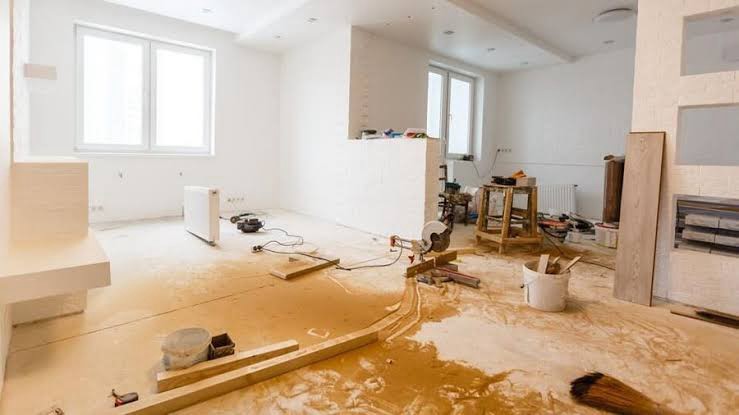
Before Diwali and the festive season begin, you do not necessarily need a complete home renovation.
Sometimes, the right interior upgrades can make a much bigger difference than a complete makeover.
This October, instead of simply adding more decoration, think about making your home more welcoming, functional and celebration-ready.
Before buying anything, enter your home and look at it from a visitor’s perspective.
Notice:
This simple exercise can reveal areas that need attention before you spend money.
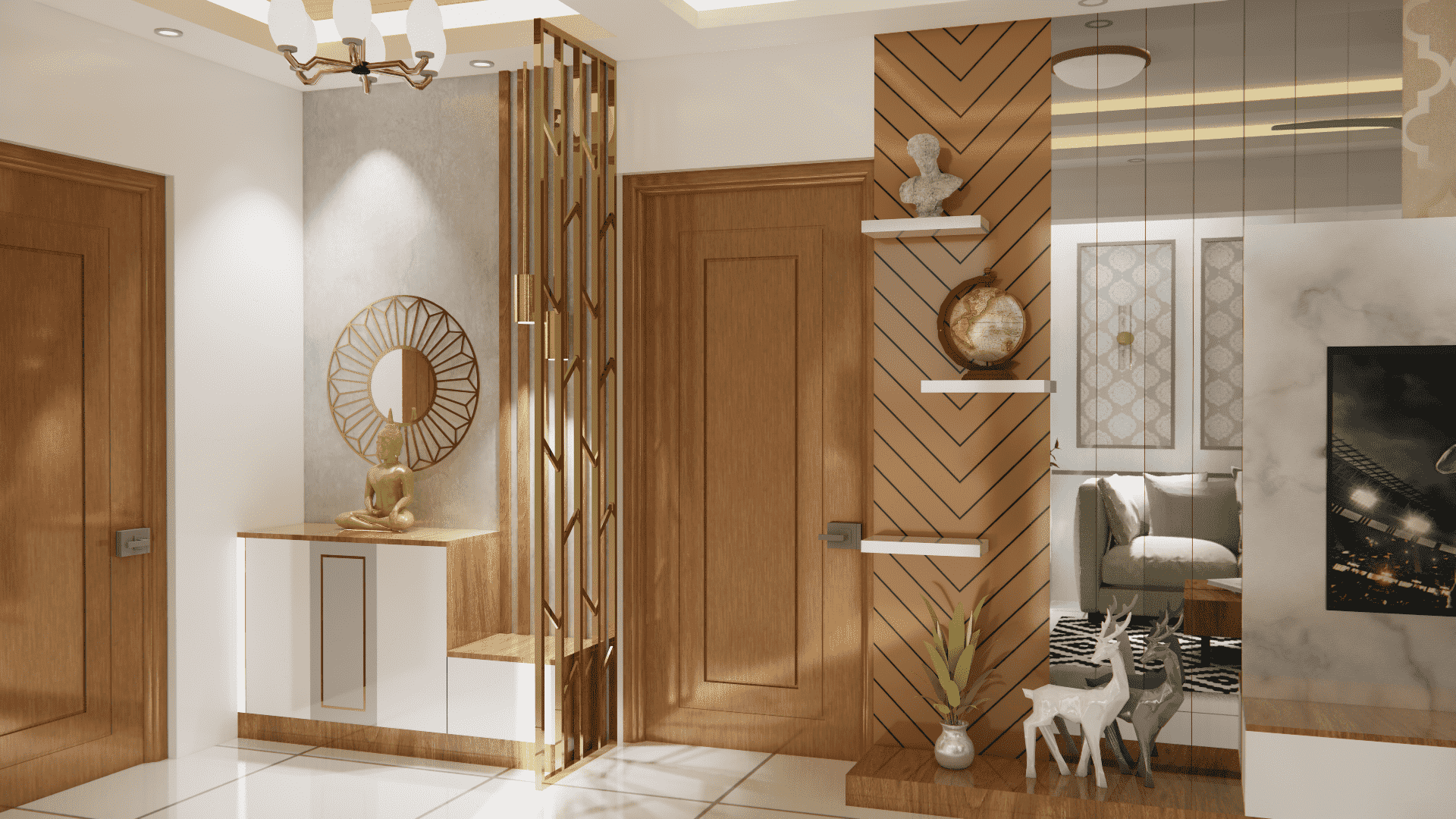
The entrance creates the first impression.
During festivals, it also becomes one of the busiest areas because guests, footwear, bags and gifts move through the space constantly.
Instead of adding excessive decoration, improve the functionality first.
Consider:
A well-organised entrance can make the entire home feel more polished.
Design Tip
Leave enough clear floor space for people to enter and exit comfortably.
A beautiful entrance that becomes difficult to walk through is not practical interior design.
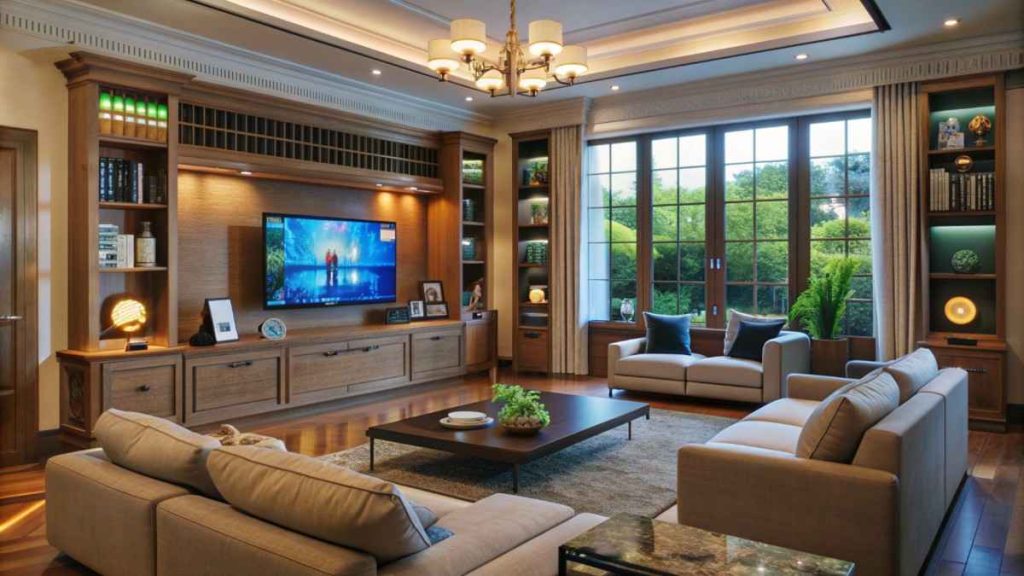
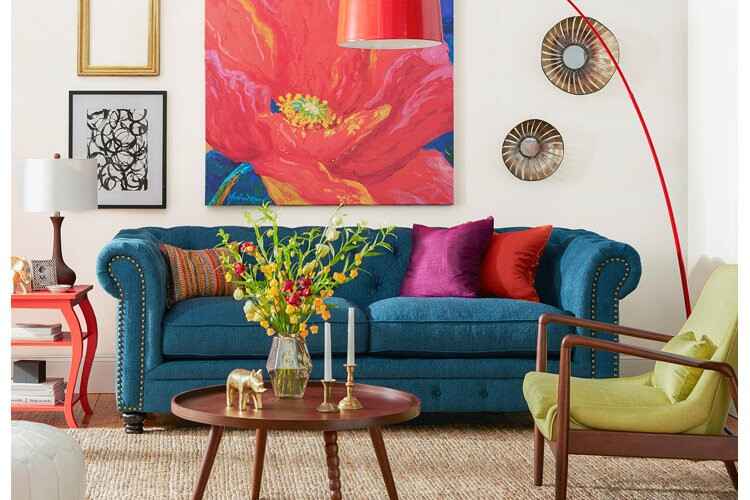
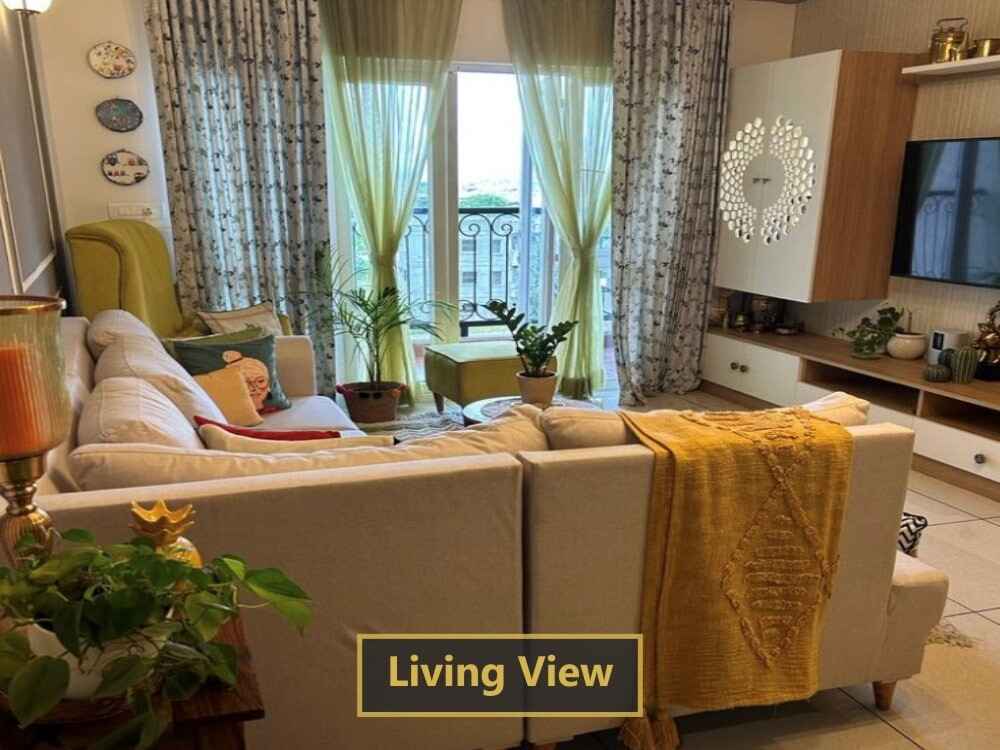
The living room often becomes the centre of festive gatherings.
Before adding new furniture, reconsider the existing layout.
Ask:
Can everyone sit comfortably?
Can people move around the room without constantly navigating around furniture?
Is there a convenient place to keep drinks or snacks?
Does the room have enough lighting for evening gatherings?
You can create additional flexibility with:
These pieces can be brought out when guests arrive and moved away when they are not needed.
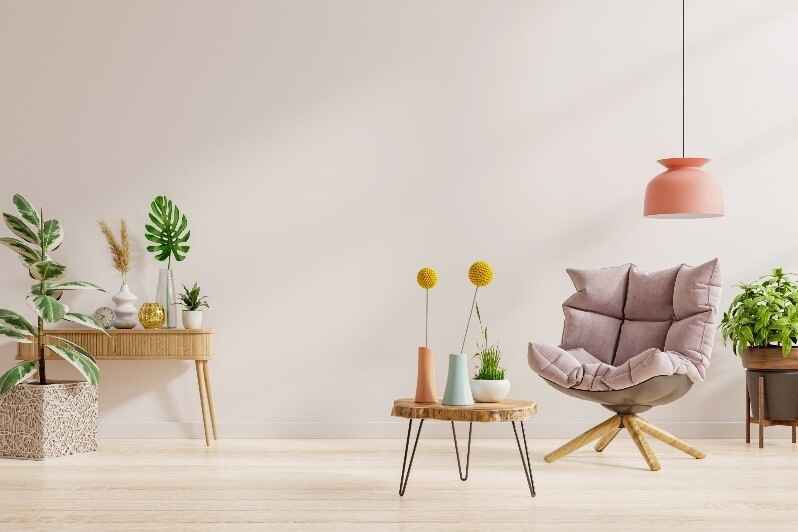
Festive lighting does not have to mean covering every surface with decorative lights.
Interior lighting itself can create a warmer atmosphere.
Consider layering:
Ambient Lighting
Provides overall illumination.
Accent Lighting
Highlights:
Decorative Lighting
Pendant lights, table lamps and other decorative fixtures can add character.
Festive Lighting
Diyas and decorative lights can then complement the permanent lighting rather than compensate for poor lighting.
The result is a home that remains beautiful even after the festival ends.
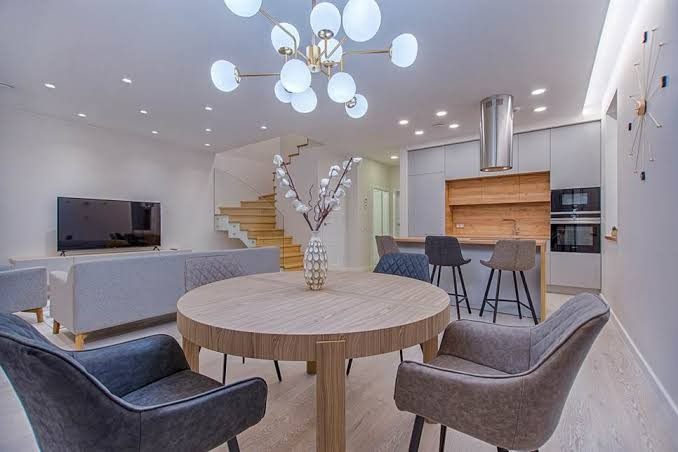
Festive meals often mean more people around the dining table.
If your regular dining arrangement comfortably accommodates only the immediate family, think about flexibility.
Possible solutions include:
The objective is to accommodate guests without permanently overcrowding the dining area.
During festivals, kitchen activity increases significantly.
More cooking means more ingredients, utensils, serving dishes and appliances.
This is when poor kitchen planning becomes obvious.
Before the festive season, review:
Countertop Space
Remove appliances that are rarely used.
Storage
Organise frequently used items so they are easy to access.
Pantry
Group ingredients according to frequency of use.
Drawers
Ensure everyday cutlery and cooking tools are easy to reach.
Appliance Placement
Avoid creating unnecessary movement between the refrigerator, sink and cooking area.
A functional modular kitchen should support the way you actually cook—not simply look good in photographs.
Instead of decorating every available surface, select specific areas.
For example:
This creates visual focus.
Too many decorative objects spread across the entire house can make the interior feel crowded.
One well-designed festive corner can be more effective than decoration everywhere.
For many Indian families, the pooja area becomes especially important during the festive season.
You do not necessarily need to redesign the entire space.
Small improvements can include:
If the pooja area is integrated into the living room, visual separation can be created using a partition, niche or carefully designed backdrop.
During the festive season, relatives and friends may stay overnight.
A guest bedroom does not need an expensive makeover.
Focus on the basics:
A guest room should feel comfortable rather than overloaded with decoration.
Festivals often bring additional items into the home:
This is where concealed storage becomes valuable.
Useful solutions include:
Full-Height Cabinets
Use vertical space efficiently.
Storage Beds
Useful for seasonal items and extra bedding.
TV Units
Can provide concealed storage without adding separate cabinets.
Entryway Cabinets
Help control footwear, bags and everyday clutter.
Modular Kitchen Storage
Keeps festive cooking equipment organised.
Good storage does not simply hold things.
It protects the visual calm of the room.
You do not need to replace your entire furniture set to give your home a different look.
Textiles can create a noticeable seasonal change.
Consider updating:
Choose colours and textures that complement the existing interior rather than introducing an entirely unrelated palette.
This makes the change feel intentional.
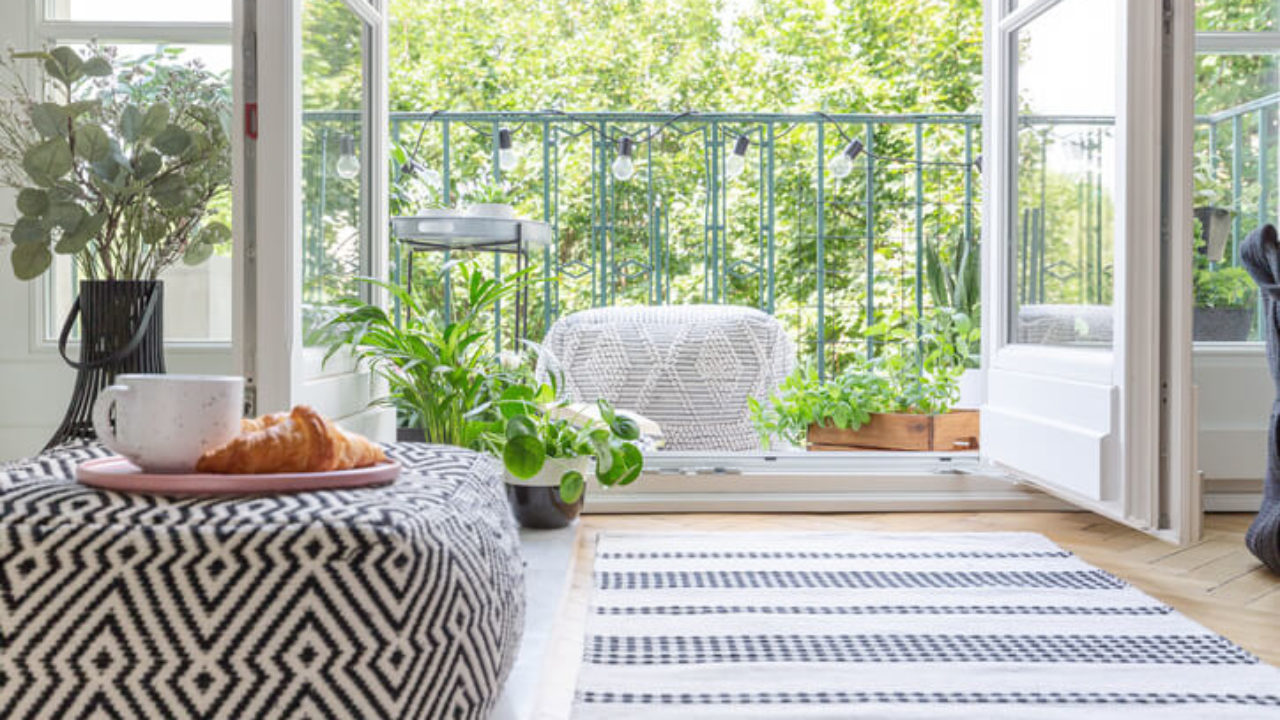
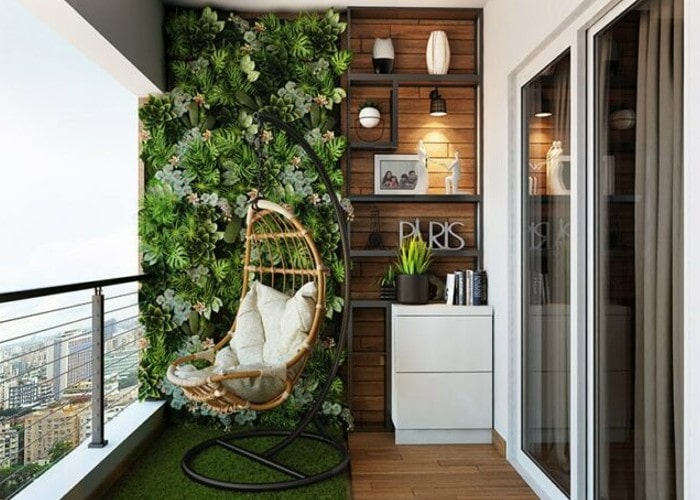
During evening celebrations, balconies can become an additional social space.
Depending on its size, consider:
Avoid filling the balcony with too many objects.
Keep enough space for comfortable movement.
Modern celebrations often include photographs and videos.
Instead of trying to make the entire house photo-ready, create one intentional backdrop.
It could include:
The key is to create depth without excessive visual clutter.
A thoughtfully designed corner can become a natural focal point during gatherings.
Festive lighting can mean additional electrical requirements.
Before setting up decorative lights, check:
Avoid creating a network of visible wires across the floor.
If you are planning a larger interior renovation, electrical planning should be completed before the final finishes and furniture installation.
One common mistake is purchasing décor that works for only a few days.
Instead, choose pieces that can remain useful throughout the year.
For example:
Festive: Decorative lights
Year-round: Elegant lamps
Festive: Temporary artwork
Year-round: Framed art
Festive: Bright cushions
Year-round: Neutral cushions with removable festive covers
This approach allows you to change the mood of the home without repeatedly replacing everything.
If you are considering a major interior project, avoid making rushed decisions simply because a festival is approaching.
Large changes involve:
A rushed renovation can lead to compromises in design and execution.
Instead, separate your requirements into:
Immediate Updates
Small changes that can be completed quickly.
Planned Improvements
Projects that require proper design and execution.
Long-Term Renovation
Major changes such as complete modular kitchens, wardrobes or whole-home interiors.
This makes the process more manageable.
❌ Decorating Every Surface
Too much décor can make the home feel crowded.
❌ Blocking Movement
Furniture and decorations should not interfere with everyday circulation.
❌ Ignoring Storage
Guests bring belongings, and festivals create additional household items.
❌ Using Only Decorative Lighting
Permanent lighting should still provide adequate functional illumination.
❌ Making Last-Minute Major Changes
Large renovation decisions require proper planning.
If you want to refresh your home without a major renovation, try approaching it systematically.
Day 1 — Declutter
Remove unnecessary objects and organise visible surfaces.
Day 2 — Entrance
Clean, organise and improve the foyer.
Day 3 — Living Room
Rearrange furniture and create better circulation.
Day 4 — Lighting
Check bulbs, lamps and accent lighting.
Day 5 — Kitchen
Organise storage and clear unnecessary countertop items.
Day 6 — Bedrooms
Refresh bedding, curtains and storage.
Day 7 — Décor
Add your festive elements after the functional work is complete.
This order matters.
Function first. Decoration second.
Use this simple test.
Choose a Refresh If:
Consider Renovation If:
A professional interior consultation can help determine which approach makes sense for your home.
1. How can I decorate my home for Diwali without spending too much?
Start with decluttering, lighting, textiles and a few focused décor elements. You do not need to redecorate the entire home.
2. What is the most important area to upgrade before Diwali?
There is no universal answer. The entrance, living room, kitchen and dining area usually receive the most attention during gatherings, but the priority should depend on how your family uses the home.
3. How can I make my living room more spacious during festivals?
Reduce unnecessary furniture, create clear walking paths and use flexible seating such as ottomans or movable chairs.
4. What lighting is best for festive interiors?
A combination of ambient, task and accent lighting works better than relying on a single light source. Decorative festive lights can then be added for atmosphere.
5. Should I renovate my kitchen before Diwali?
Only if there is a genuine functional need and sufficient time for proper planning and execution. A rushed kitchen renovation may create more problems than it solves.
6. How can I prepare my home for overnight guests?
Ensure the guest bedroom has comfortable bedding, lighting, charging points, storage or hanging space and basic privacy.
7. How can I hide clutter during festive gatherings?
Built-in cabinets, wardrobes, TV units, storage beds and entryway storage can provide concealed space for everyday and seasonal items.
8. Can I give my home a new look without changing furniture?
Yes. Rearranging furniture, improving lighting, changing textiles, adding artwork and introducing carefully selected décor can significantly alter the appearance of a room.
9. Is it better to renovate before or after Diwali?
It depends on the project. Small refreshes can be completed before celebrations, while major renovations should be planned according to the project’s actual timeline rather than rushed to meet a festival deadline.
10. How can an interior designer help with a festive home makeover?
An interior designer can evaluate the existing layout, identify functional problems, suggest suitable upgrades and coordinate larger changes such as storage, lighting, modular kitchens and furniture planning.
A festive home should do more than look beautiful for photographs.
It should comfortably accommodate people, support cooking and entertaining, provide enough storage and remain easy to live in after the celebrations are over.
That is where thoughtful interior design makes a difference.
Instead of asking “What can I add?”, ask:
“What can I improve?”
Better storage.
Better lighting.
Better movement.
Better organisation.
Better use of space.
These improvements can make a home feel significantly different without requiring a complete renovation.
At Sampada Creations, home interiors are designed around individual lifestyles, space requirements and functional needs. From modular kitchens and wardrobes to lighting, space planning and complete residential interiors, a considered design approach can help create a home that is both celebration-ready and practical throughout the year. (Sampada Creations)
This festive season, don’t just decorate your home. Design it for the way you celebrate, live and connect.
For customised home interior solutions in Bangalore, connect with Sampada Creations to discuss your space and requirements.