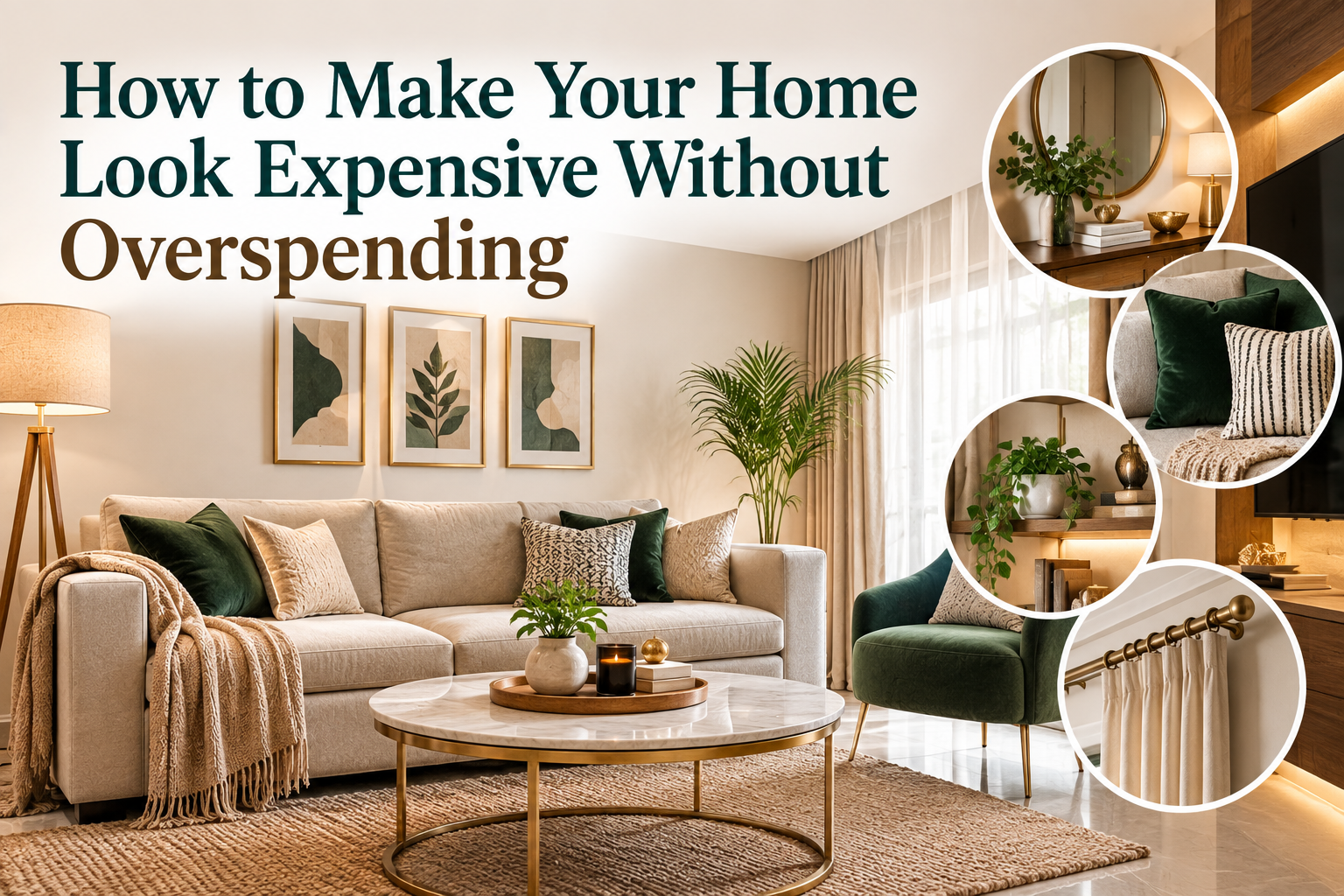
A luxurious-looking home does not necessarily require an unlimited budget.
In interior design, the perception of luxury often comes from proportion, consistency, lighting, material selection, detailing and organisation rather than simply choosing expensive furniture.
A home with an expensive sofa can still look ordinary if the lighting is poor, the furniture is incorrectly sized or the space is visually cluttered.
On the other hand, a thoughtfully designed home with a controlled budget can look refined, spacious and sophisticated.
So, what actually makes an interior look expensive?
Let’s break it down.
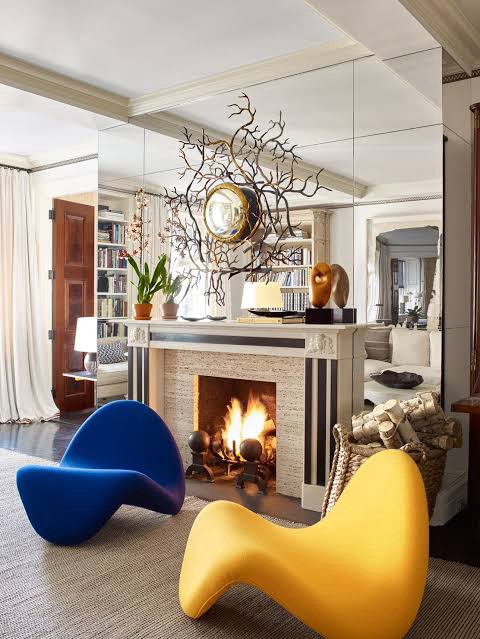
Do not try to make everything a statement.
When every wall, piece of furniture and décor item demands attention, the overall space can feel busy rather than luxurious.
Instead, create a visual hierarchy.
Choose a few elements to stand out and allow the rest of the room to support them.
For example:
You don’t need all five to be dramatic.
One or two well-executed focal points can have a stronger impact.
Before buying anything new, remove what the room does not need.
Luxury interiors generally have one thing in common:
They look organised.
Visible clutter can make even premium materials and furniture appear less refined.
Look at:
Consider using concealed storage wherever practical.
A clean visual environment immediately makes the space feel more intentional.
This is one of the most overlooked aspects of interior design.
A large sofa in a small living room can make the entire space feel cramped.
Similarly, tiny furniture in a large room can make the room appear unfinished.
Before purchasing furniture, consider:
Room dimensions + walking space + furniture proportions
There should be comfortable circulation around major furniture pieces.
Instead of asking:
“Will this sofa fit?”
Ask:
“Will this sofa fit comfortably while allowing the room to breathe?”
That small difference in thinking can significantly change the final appearance.
Luxury does not mean using only white, beige or grey.
The important factor is consistency.
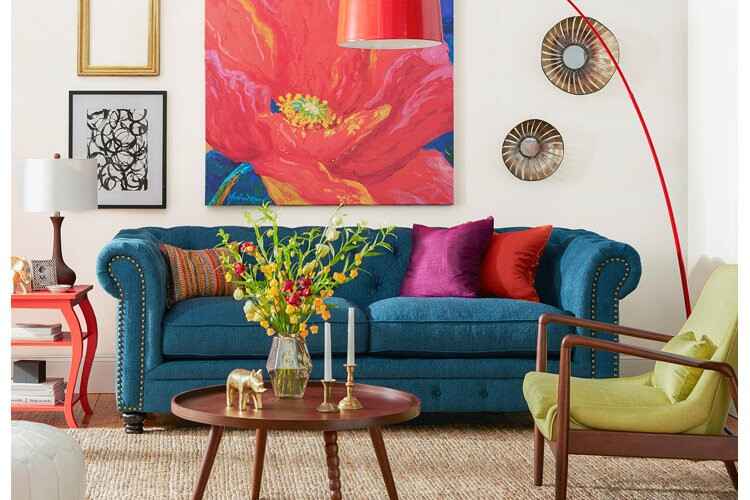
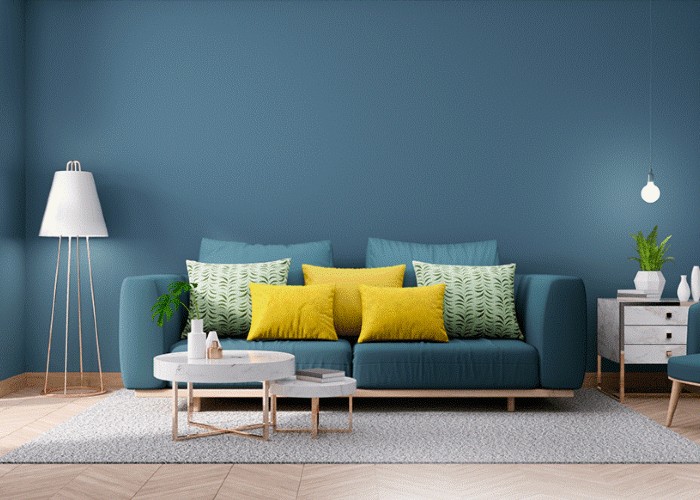
Choose a base colour and introduce one or two complementary shades.
For example:
Warm Contemporary
Modern Neutral
Earthy
A consistent palette creates visual continuity from one room to another.
Good lighting can transform an ordinary room.
Instead of depending entirely on one bright ceiling light, combine different lighting layers.
Ambient Lighting
Provides general illumination.
Task Lighting
Useful for:
Accent Lighting
Used to highlight:
Warm lighting can also create a more comfortable evening atmosphere in living and bedroom spaces.
The objective is not simply to make the room brighter.
It is to make the lighting intentional.
Curtains are often underestimated.
Incorrect curtain length, poor fabric selection or badly positioned curtain rods can make a room look less polished.
For a more refined appearance:
In many interiors, simple curtains in the right proportion can look more sophisticated than heavily decorated window treatments.
If a room feels flat, the solution isn’t always another decorative item.
Instead, introduce texture.
You can combine:
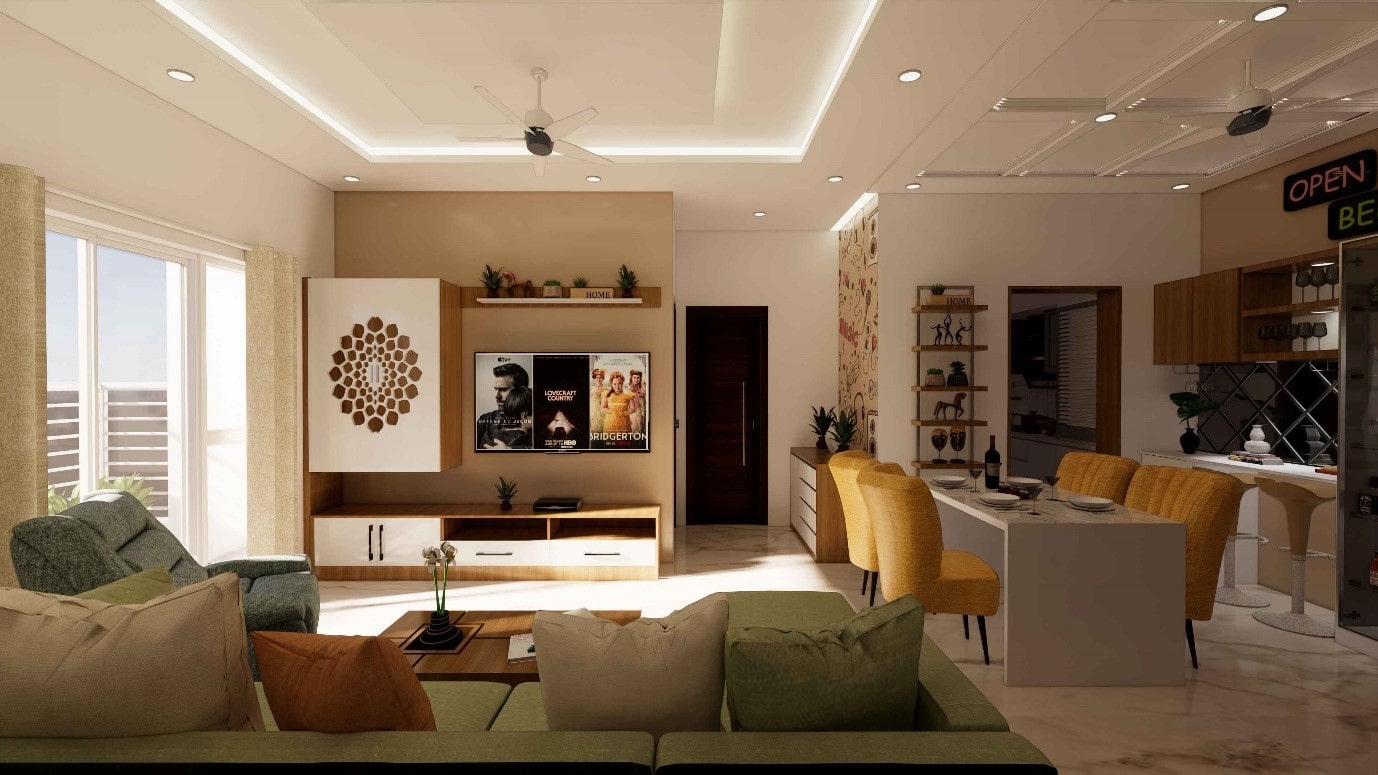
For example, a neutral living room can become much more visually interesting through a combination of wood panelling, textured upholstery, soft curtains and subtle lighting.
Texture creates depth without necessarily adding visual clutter.
Feature walls can make a room memorable, but too many feature walls can have the opposite effect.
Consider creating one focal wall using:
The wall should complement the room rather than compete with everything else.
The kitchen is one of the most visible areas of a modern home.
A premium-looking kitchen does not require every cabinet to have an expensive finish.
Instead, focus on:
Consistent Finishes
Avoid using too many unrelated colours and materials.
Integrated Storage
Keep everyday items organised and reduce unnecessary countertop clutter.
Hardware
Handles, hinges and drawer mechanisms should be selected with both appearance and usability in mind.
Lighting
Under-cabinet lighting can improve both functionality and visual appeal.
Appliance Planning
Plan appliance locations before finalising the cabinetry.
A well-planned kitchen often looks more sophisticated simply because everything has a designated place.
Mirrors can make selected areas appear brighter and more spacious.
They can work particularly well in:
However, placement matters.
A mirror should ideally reflect something visually appealing rather than clutter, doors or an unattractive wall.
If the budget is limited, you do not need to spend equally on every part of the home.
Prioritise elements that are:
Used frequently + visually prominent + difficult to replace later.
For many homes, these may include:
Decorative accessories can often be upgraded later.
Built-in elements are much harder to change once the interior is completed.
Small details can influence the overall perception of an interior.
Pay attention to:
These details may not immediately stand out individually, but together they contribute to a more finished appearance.
A bedroom should feel comfortable rather than overly formal.
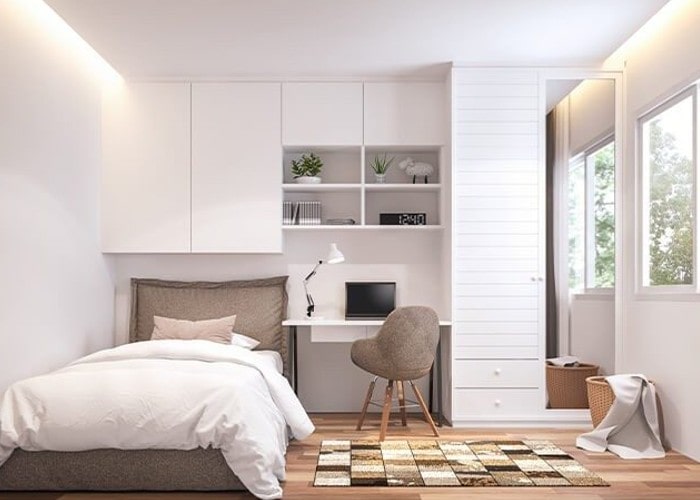
A simple approach is to focus on:
Bed + headboard + bedside lighting + curtains + wardrobe + controlled décor
A larger upholstered headboard can create a strong focal point.
Bedside lighting can add warmth.
Matching or coordinated bedside tables can create symmetry.
Soft textiles can make the room feel more comfortable.
The goal is not to copy a hotel room.
It is to bring some of the organisation and visual calm of a well-designed hospitality space into your home.
A bathroom can feel premium when the finishes and storage are coordinated.
Consider:
Again, the objective is not to add more.
It is to reduce visual noise.
Interior trends change quickly.
A design that looks fashionable today may feel dated after a few years.
Instead of making the entire home trend-driven, use trends selectively.
Keep major elements relatively timeless and introduce current trends through items that can be changed more easily.
For example:
Timeless: flooring, kitchen layout, wardrobes
Easier to change: cushions, artwork, rugs, decorative accessories
This can help your interior remain relevant for longer.
Sometimes the problem is not the budget.
It is poor coordination.
Common mistakes include:
Too Many Colours
Several unrelated colours can make the home visually chaotic.
Oversized Furniture
Large furniture can make even a spacious room feel cramped.
Excessive Décor
More accessories do not automatically mean more luxury.
Poor Lighting
A beautifully designed room can look completely different under harsh or badly positioned lighting.
Visible Wires
Unplanned electrical points can compromise the final appearance.
Mismatched Materials
Too many wood finishes, metals or patterns can make the interior look disconnected.
Lack of Storage
Clutter can quickly undermine an otherwise well-designed space.
The 60–30–10 Approach to Colour
One simple way to maintain balance is the 60–30–10 principle.
60% — Dominant Colour
Walls, larger surfaces and major background elements.
30% — Secondary Colour
Furniture, curtains, cabinetry or larger accent areas.
10% — Accent Colour
Décor, cushions, artwork, lighting details or smaller features.
This is not a strict formula. It is simply a useful starting point for creating visual balance.
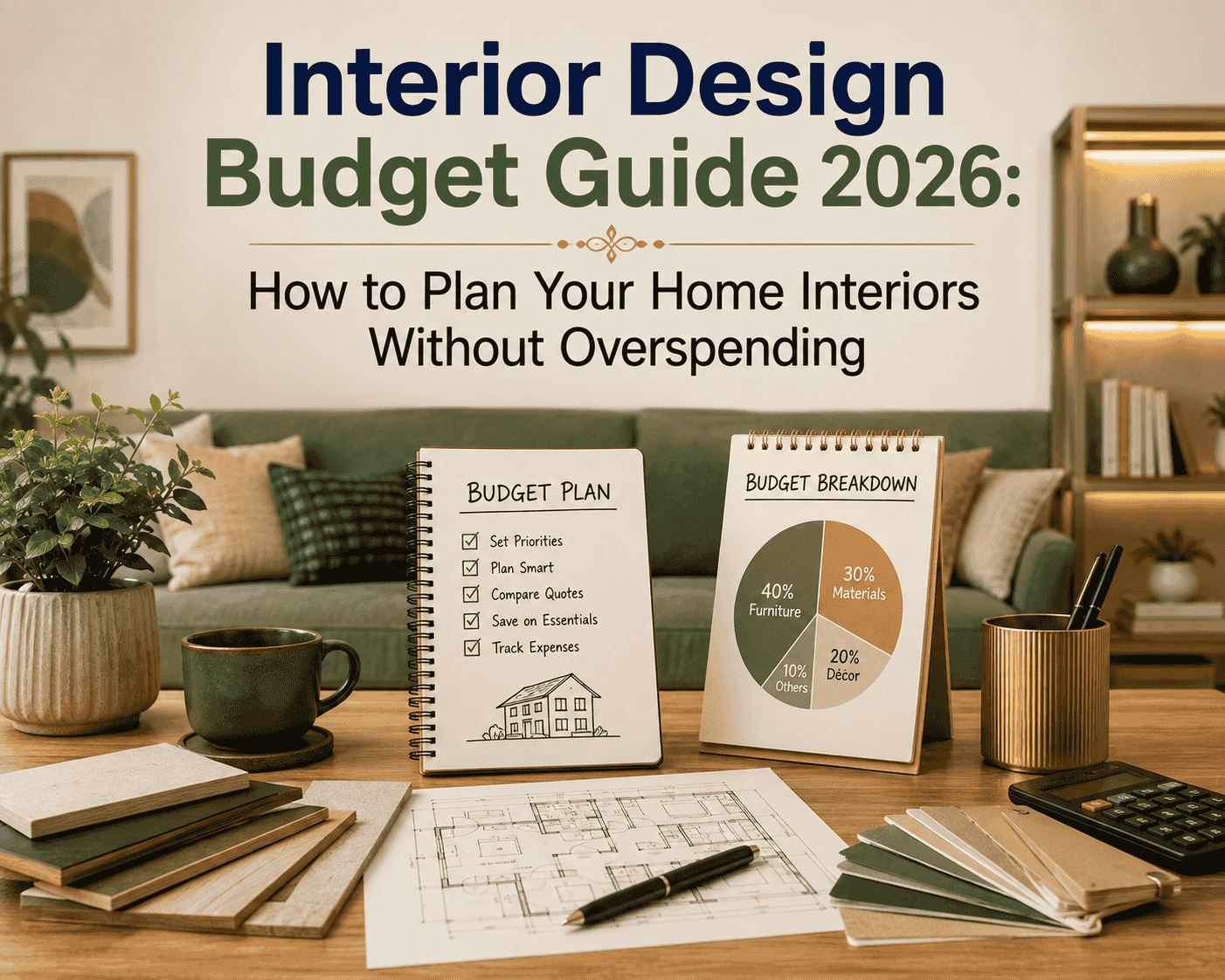
If you have a fixed interior budget, consider prioritising:
|
Priority |
Area |
|---|---|
|
High |
Space planning |
|
High |
Kitchen |
|
High |
Storage |
|
High |
Electrical planning |
|
High |
Lighting |
|
Medium |
Furniture |
|
Medium |
Curtains and soft furnishings |
|
Flexible |
Decorative accessories |
The exact priorities will vary depending on the home and lifestyle.
A family that cooks frequently may prioritise the kitchen.
Someone working from home may prioritise a dedicated workspace.
A family with extensive storage needs may allocate more budget to wardrobes and built-ins.
Before finalising your interiors, ask:
Space
Storage
Lighting
Colours
Materials
Details
Maintenance
These questions can be more important than simply asking whether the design looks luxurious.
1. Can a small-budget home look luxurious?
Yes. A sophisticated appearance can come from good proportions, organisation, lighting, coordinated colours and quality finishing rather than only expensive materials.
2. What makes a house look more expensive?
Consistent colours, appropriate furniture proportions, layered lighting, concealed storage, coordinated materials and clean finishing can significantly improve the overall appearance.
3. Should every room have a different colour?
Not necessarily. A consistent base palette with subtle variations can create better visual flow throughout the home.
4. Are expensive materials necessary for luxury interiors?
No. Material selection matters, but design proportion, installation quality, lighting and detailing also strongly influence the final result.
5. How can I make my living room look more premium?
Start with furniture proportions, decluttering, lighting and a coordinated colour palette. Then add one or two strong focal elements rather than filling the room with décor.
6. Does false ceiling make a home look luxurious?
A false ceiling can enhance an interior when it is appropriately designed for the room’s height, proportions and lighting requirements. More ceiling design does not automatically mean better design.
7. How can I make my modular kitchen look premium?
Focus on clean cabinet lines, coordinated finishes, organised storage, good hardware, appropriate lighting and proper appliance integration.
8. Should I follow the latest interior trends?
Trends can provide inspiration, but your home should primarily be designed around your lifestyle, space and long-term requirements.
9. What should I prioritise when my interior budget is limited?
Prioritise space planning, kitchen, storage, electrical planning, lighting and frequently used elements before spending heavily on decorative accessories.
10. Can an interior designer help reduce unnecessary spending?
Good planning can help reduce avoidable changes, poor material choices, inefficient layouts and unnecessary purchases. The objective is to allocate the available budget where it provides practical and visual value.
A beautiful home is not created by adding expensive things to every room.
It comes from making hundreds of small decisions work together.
The right furniture size.
The right lighting.
The right storage.
The right colour balance.
The right materials.
And, most importantly, the right layout for the people who live there.
At Sampada Creations, residential interiors can be planned around the home’s architecture, the family’s lifestyle and the available budget, creating spaces that balance aesthetics with everyday functionality.
Whether you are designing a new apartment or renovating an existing home, thoughtful planning can help you achieve a sophisticated interior without unnecessary spending.
For customised home interiors in Bangalore, consult Sampada Creations for professional interior design and space-planning solutions.